


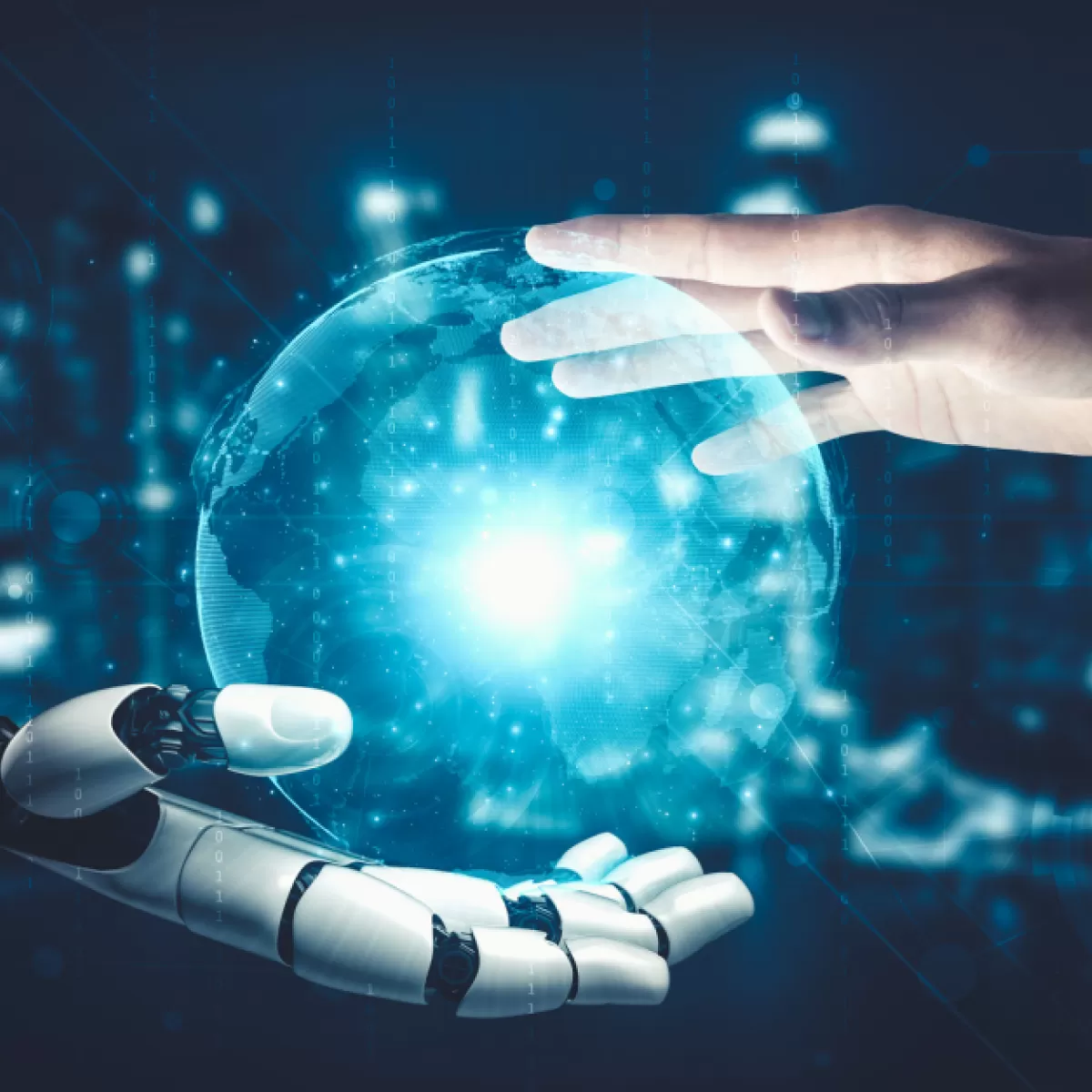
Artificial Intelligence (AI) has moved beyond a futuristic concept and firmly established itself as a transformative force across the globe. Its influence extends far beyond technology enthusiasts, shaping industries, economies, and everyday experiences in ways that were unimaginable just a decade ago. From revolutionizing how we solve problems to reshaping human interactions, AI is redefining innovation and the very fabric of daily life.
One key aspect of AI’s impact is its ability to handle complexity at scale. Modern AI systems can analyze enormous datasets quickly and uncover insights that would be impossible for humans to discern unaided. This capability has transformed research, enabling scientists to accelerate discoveries in fields such as climate science, genomics, and particle physics. By automating routine data analysis, AI allows researchers to focus on hypothesis generation and interpretation, speeding up the pace of innovation.
AI is also fundamentally changing customer experience. Businesses deploy AI-powered tools to interact with customers more intelligently and efficiently. Chatbots handle common queries around the clock, freeing human agents to address more complex issues. Sentiment analysis tools monitor social media and customer feedback, helping companies respond proactively to trends and concerns. Personalization algorithms create tailored product recommendations, marketing campaigns, and content delivery, enhancing engagement and satisfaction.
In the public sector, AI is helping governments improve service delivery and policy-making. Predictive analytics assist in allocating resources effectively, managing traffic flows, and enhancing public safety. AI-driven models support emergency response efforts by forecasting natural disasters and simulating their impacts. These applications increase efficiency and help build resilient communities.
The creative economy is being enriched by AI’s contributions as well. Generative models can produce music, poetry, and visual art, inspiring new forms of collaboration between humans and machines. AI tools assist writers by suggesting ideas or editing text, enabling faster content creation. This synergy is democratizing creativity, making it accessible to a broader audience.
However, with these advancements come critical challenges. Ensuring the ethical use of AI involves addressing concerns such as algorithmic fairness, privacy, and accountability. AI systems can inadvertently reinforce social biases present in their training data, leading to unfair outcomes. Developing frameworks for transparent AI decision-making is essential to maintain public trust and uphold social justice.
AI’s influence on employment continues to be a subject of debate. While automation threatens certain jobs, it also creates new roles focused on managing, designing, and maintaining AI systems. Upskilling and reskilling the workforce will be vital to help individuals adapt and thrive in an AI-driven economy.
Collaboration between academia, industry, and policymakers is crucial for responsible AI development. International cooperation can establish common standards and facilitate knowledge sharing, accelerating innovation while mitigating risks. Public engagement and education about AI technologies empower individuals to make informed decisions and participate in shaping AI’s trajectory.
Looking ahead, advances in AI interpretability and robustness are expected to enhance system reliability. Integration with other technologies like robotics, edge computing, and blockchain will create new applications and business models. The ongoing evolution of AI promises to unlock solutions for some of humanity’s most complex challenges, from healthcare to environmental sustainability.
In conclusion, Artificial Intelligence is reshaping how we innovate, work, and live. Its ability to manage complexity, enhance creativity, and improve efficiency holds great promise. By addressing ethical concerns and fostering inclusive development, society can harness AI’s potential to build a future that is smarter, fairer, and more connected.

Leave a Reply