


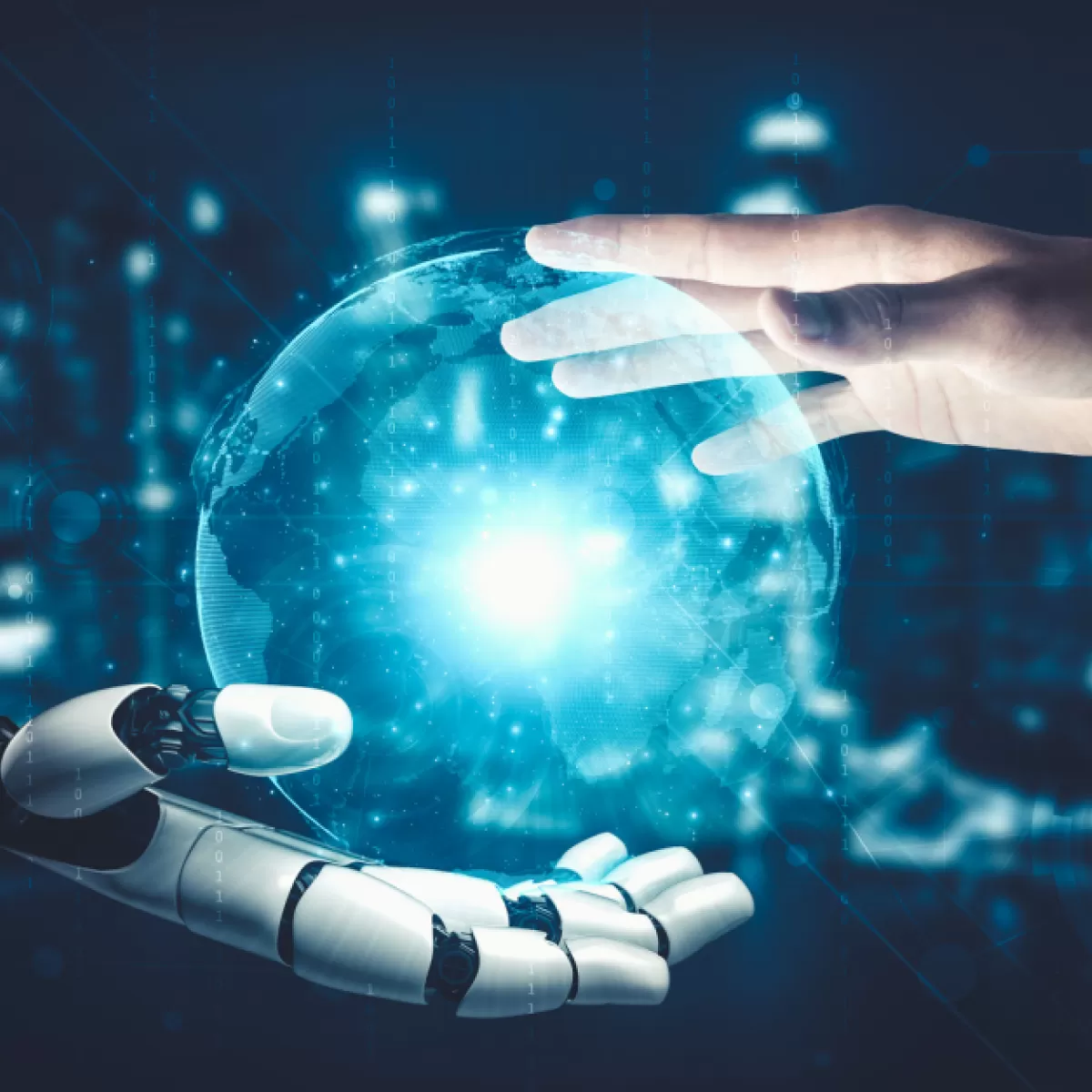
Artificial Intelligence (AI) is no longer a concept confined to science fiction or niche tech circles. Today, it is a driving force behind innovations that are reshaping industries, enhancing daily life, and redefining the future of work, communication, and problem-solving. From smart assistants in our homes to sophisticated algorithms powering global logistics, AI’s influence is profound and growing.
At its core, AI refers to machines or software systems designed to perform tasks that typically require human intelligence. These tasks include recognizing speech, making decisions, translating languages, and even creating art. What sets modern AI apart is its ability to learn and improve over time through techniques such as machine learning and deep learning. This means AI systems can analyze vast amounts of data, identify patterns, and adapt their responses without explicit programming for every scenario.
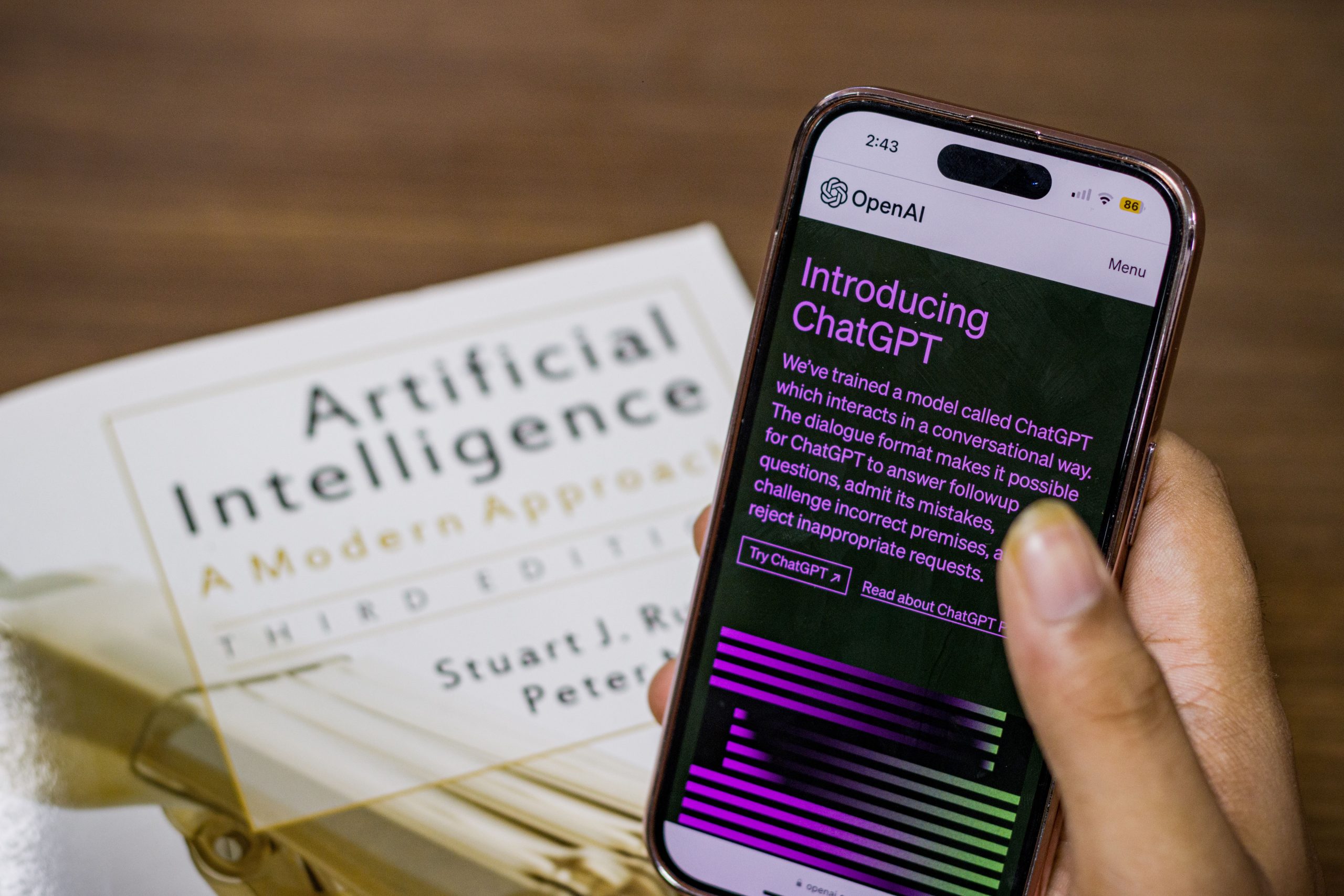
One of the most visible applications of AI is in natural language processing (NLP), which enables machines to understand and generate human language. Virtual assistants like Siri, Alexa, and Google Assistant rely on NLP to interpret user commands, answer questions, and facilitate daily tasks. Beyond convenience, NLP powers customer service chatbots, automated translation services, and sentiment analysis tools that help businesses understand consumer feedback.
AI’s impact on healthcare is revolutionary. Algorithms analyze medical images to detect anomalies such as tumors with a level of precision that rivals or surpasses human experts. Predictive models use patient data to forecast disease risk, enabling early intervention. Robotics powered by AI assist in surgeries, providing surgeons with enhanced dexterity and real-time data. Furthermore, AI accelerates drug discovery by simulating molecular interactions, reducing the time and cost of bringing new medicines to market.
In the business world, AI optimizes operations and customer experiences. Recommendation engines on platforms like Netflix, Amazon, and Spotify personalize content, driving engagement and sales. AI-driven analytics help companies forecast demand, manage supply chains, and detect fraud. Automation of routine tasks frees human workers to focus on complex and creative aspects of their jobs, enhancing productivity.
AI is also playing a critical role in addressing global challenges such as climate change. Machine learning models analyze environmental data to predict weather patterns, monitor deforestation, and optimize renewable energy usage. Smart grids use AI to balance energy loads efficiently, reducing waste and carbon footprints. These applications demonstrate AI’s potential as a tool for sustainability.
Despite its many benefits, AI presents ethical and societal challenges. Concerns about data privacy, algorithmic bias, and job displacement are at the forefront of public debate. AI systems trained on biased data can perpetuate inequalities, affecting decisions in hiring, lending, and law enforcement. Ensuring transparency, fairness, and accountability in AI development is essential to mitigate these risks.
The future of AI promises even more transformative possibilities. Advances in explainable AI aim to make decision-making processes more understandable to humans, fostering trust and collaboration. AI’s integration with other emerging technologies such as the Internet of Things (IoT), blockchain, and quantum computing will unlock new capabilities. Autonomous vehicles, personalized education, and intelligent urban planning are just a few areas set to benefit.
Education and workforce development must evolve to prepare individuals for an AI-driven world. Emphasizing skills such as critical thinking, creativity, and digital literacy will be crucial. Governments, businesses, and educational institutions have a shared responsibility to ensure equitable access to AI technologies and training.
In conclusion, Artificial Intelligence is transforming the world by enhancing capabilities, creating efficiencies, and enabling new innovations. Its potential to solve complex problems is vast, but realizing this potential requires thoughtful governance, ethical standards, and inclusive development. By navigating these challenges wisely, society can harness AI’s power to build a more intelligent, equitable, and prosperous future.

Leave a Reply