


For more than a century, entertainment has evolved through new ways of telling stories. Movies introduced audiences to moving images, television brought stories into homes, and streaming platforms changed how people access content.
Now, another transformation is underway.
Entertainment companies are exploring new ways for audiences to experience stories through artificial intelligence, virtual reality, interactive media, immersive environments, and digital platforms that blur the line between watching and participating.
The future of entertainment may not simply be about creating better screens—it may be about creating deeper experiences.
Audiences are becoming more interested in entertainment that feels personalized, interactive, and connected. Instead of passively watching a story unfold, people are increasingly looking for opportunities to influence, explore, and engage with the worlds they discover.
This shift is changing how companies think about storytelling.
Traditional entertainment follows a straightforward format: creators produce content, and audiences consume it. However, emerging technologies are creating new possibilities where audiences can become active participants in the experience.
Interactive storytelling is one example of this evolution. Instead of every viewer seeing the exact same storyline, digital platforms can allow audiences to make choices that influence characters, events, or outcomes.
This approach creates a more personal relationship between audiences and stories. Viewers are no longer just observing—they are becoming part of the creative journey.
Video games have already demonstrated the power of interactive entertainment. Modern games combine storytelling, visual design, music, and player decisions to create experiences that can last hundreds of hours.
Entertainment companies are increasingly studying these models and exploring how similar ideas can be applied to films, series, and other forms of media.
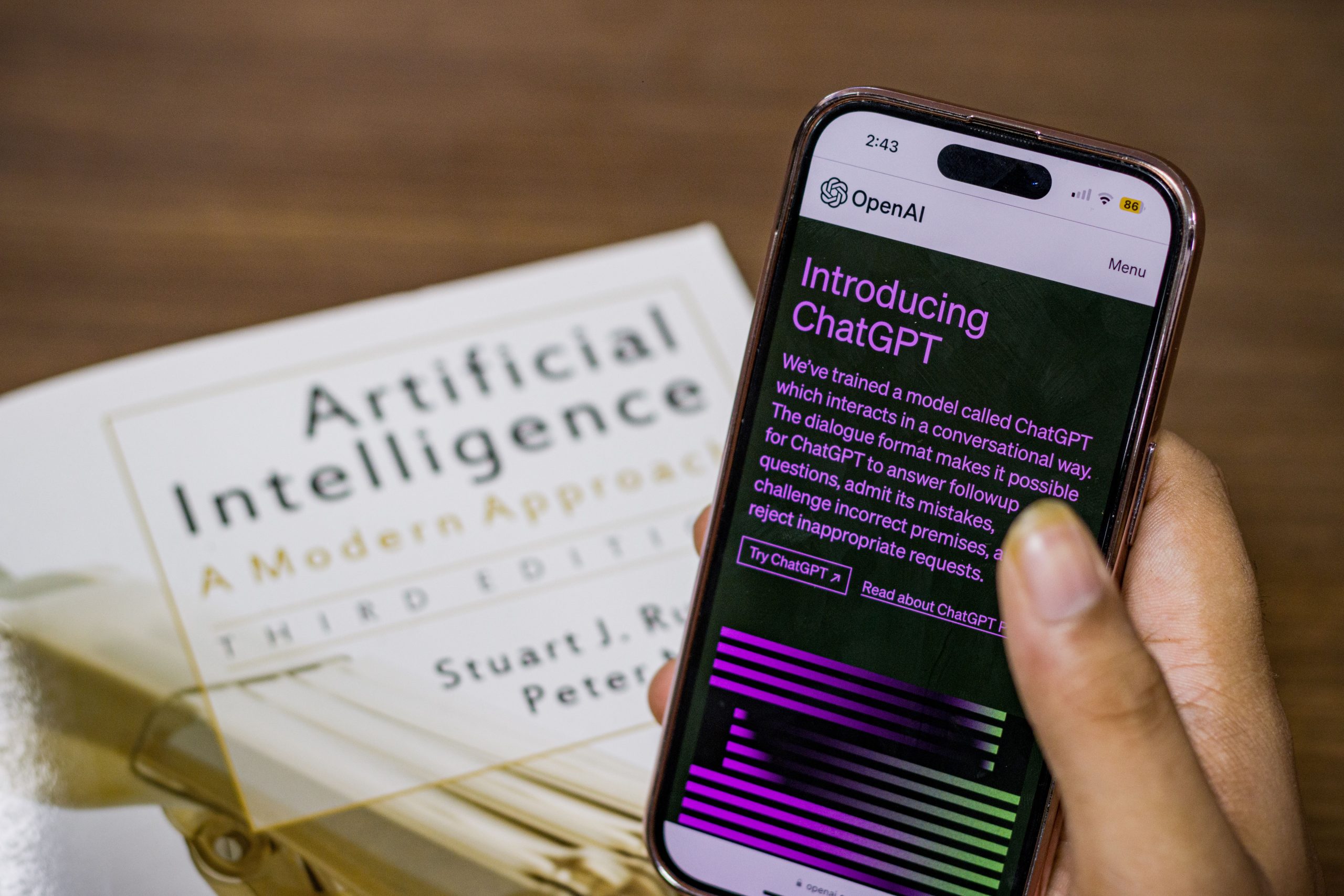
Artificial intelligence is also becoming an important tool in the future of entertainment. AI technologies are helping creators develop personalized experiences, improve production processes, and analyze audience preferences.
For audiences, AI could create entertainment that adapts to individual interests. Future platforms may recommend not only what people watch but also how stories are experienced based on personal preferences.
However, the role of AI in entertainment extends beyond recommendations. It may eventually help create dynamic environments, personalized characters, and interactive worlds that respond to viewers in real time.
Virtual reality and augmented reality are another major area of innovation. These technologies allow audiences to enter digital environments instead of simply viewing them from a distance.
Imagine experiencing a historical event from a character’s perspective, exploring a fictional world as if you were inside it, or attending a virtual concert where the experience feels almost physical.
These possibilities are changing expectations around entertainment.
Immersive technology is also creating new opportunities for live experiences. Virtual concerts, digital exhibitions, and interactive events allow audiences around the world to participate without being physically present.
This expansion could make entertainment more accessible while creating entirely new business models for creators and companies.
The entertainment industry is also investing in advanced visual technologies. Real-time graphics, virtual production, and sophisticated digital effects are allowing filmmakers and creators to build environments that would have been impossible or extremely expensive in the past.
These tools provide creators with more flexibility while helping audiences experience more imaginative worlds.
Another major development is the growth of digital communities. Entertainment is increasingly becoming a social experience where fans connect, discuss, create content, and participate in shared interests.
Online communities can extend the life of a movie, series, or franchise long after its original release. Fans now contribute through discussions, fan art, theories, and creative projects that become part of the larger entertainment ecosystem.
Companies are recognizing that successful entertainment brands are no longer built around a single product. They are built around worlds that audiences want to return to.
This is why many entertainment companies are developing expanded universes around popular stories. A successful franchise can now exist across films, games, merchandise, digital experiences, and online communities.
The future of entertainment will likely focus on creating ecosystems rather than individual pieces of content.
Technology is also changing how creators produce entertainment. Smaller teams now have access to powerful digital tools that allow them to create professional-quality content without the resources traditionally required by major studios.
This could lead to a wider range of voices and ideas entering the entertainment industry.
Independent creators are becoming increasingly important because digital platforms allow them to reach global audiences directly. A creator with a unique concept can build a community and develop a career without following traditional industry paths.
However, innovation also brings challenges. As entertainment becomes more digital and interactive, companies must consider issues involving privacy, ownership, copyright, and responsible use of emerging technologies.
The industry must also balance innovation with human creativity. Technology can create new possibilities, but meaningful entertainment still depends on emotion, storytelling, and connection.
The most successful future experiences will likely combine advanced technology with powerful human stories.
The next generation of entertainment will not only ask audiences, “What do you want to watch?”
It may ask:
“What world do you want to enter?”
“What story do you want to influence?”
“What experience do you want to become part of?”
Entertainment is moving beyond screens and into interactive digital worlds where creativity, technology, and audience participation come together.
The future of storytelling is not just about watching stories unfold.
It is about experiencing them.
References
- MIT Technology Review – Emerging Technology and Artificial Intelligence Research
- Deloitte – Digital Media, Entertainment, and Technology Trends Reports
- McKinsey & Company – Generative AI and Digital Transformation Research
- NVIDIA – AI, Graphics, and Virtual World Technologies
- The Hollywood Reporter – Entertainment Technology and Innovation Coverage
- Variety – Media, Streaming, and Entertainment Industry Analysis


Leave a Reply