


Science and technology are the twin engines driving modern society forward. From the way we communicate to the way we travel, work, and explore the universe, advancements in these fields are transforming every aspect of our lives. The pace of innovation is faster than ever, and understanding the impact of these breakthroughs is essential for staying informed and engaged in a rapidly evolving world.
Artificial intelligence, robotics, and machine learning are no longer concepts confined to research labs—they are now integral parts of daily life. AI powers personalized recommendations, automates repetitive tasks, and even assists in medical diagnoses. Robots, from manufacturing arms to autonomous drones, are increasing efficiency while opening up new possibilities in industries like healthcare, logistics, and entertainment. Machine learning allows systems to analyze massive datasets, uncover patterns, and make predictions that were once impossible, fueling innovations across business, science, and public policy.
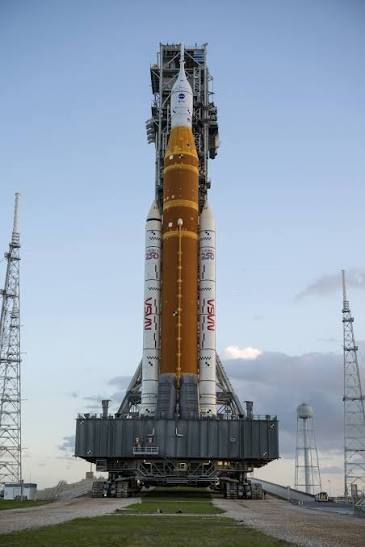
Space exploration is another area where science and technology are pushing boundaries. Private companies alongside government agencies are developing reusable rockets, exploring Mars, and mapping the far reaches of our solar system. Advances in satellite technology have transformed communication, navigation, and earth observation, providing critical data for climate science, disaster management, and global connectivity. Missions to study distant planets, asteroids, and exoplanets are expanding our understanding of the universe and inspiring a new generation of scientists and engineers.
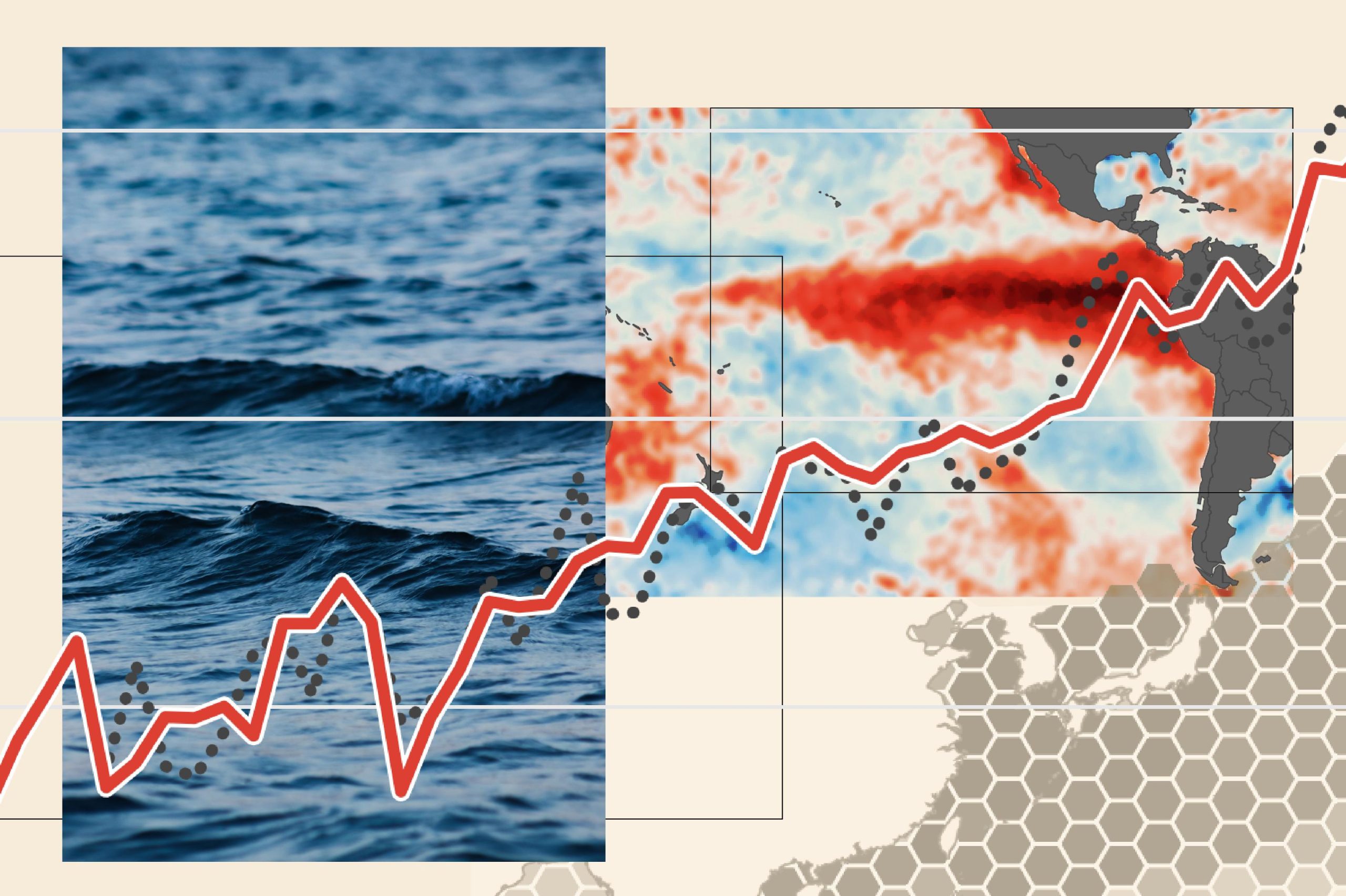
Renewable energy and environmental technology are becoming increasingly vital as the world grapples with climate change. Innovations in solar, wind, and battery storage are transforming the global energy landscape, making sustainable alternatives more efficient and accessible. Smart grids, energy-efficient buildings, and electric transportation solutions demonstrate how technology can address global challenges while improving quality of life.
Medical science is also evolving at an unprecedented rate. Genomic research, personalized medicine, and biotech innovations are enabling treatments tailored to individual patients. Wearable health devices, telemedicine, and AI-driven diagnostics are changing how healthcare is delivered, making it more proactive, precise, and accessible. These developments not only improve patient outcomes but also reduce costs and expand global access to care.
The intersection of science and technology is also driving innovation in materials, computing, and communications. Quantum computing promises to revolutionize problem-solving and data analysis, while nanotechnology is creating new possibilities in medicine, electronics, and manufacturing. The rollout of 5G networks is enabling faster, more reliable connectivity, paving the way for smarter cities, autonomous vehicles, and immersive digital experiences.
Despite the enormous benefits, rapid technological advancement brings challenges. Ethical considerations, data privacy, cybersecurity, and equitable access to innovation are becoming central topics in public discourse. Society must navigate these challenges thoughtfully to ensure that technology serves humanity responsibly, safely, and inclusively.
In conclusion, science and technology are shaping the way we live, work, and explore our world. From AI and robotics to space exploration and renewable energy, innovations are improving lives, expanding knowledge, and creating new opportunities. As these fields continue to evolve, staying informed and engaged allows us to harness their potential responsibly and shape a future that benefits everyone.
The ongoing collaboration between scientists, engineers, and innovators ensures that the frontiers of knowledge continue to expand. By understanding and embracing these developments, society can make the most of the opportunities science and technology offer, building a smarter, more sustainable, and more connected world.

Leave a Reply