


Science and technology have become the cornerstone of modern civilization, influencing nearly every aspect of our lives in ways unimaginable just a few decades ago. From the way we communicate to how we treat diseases, explore space, and protect the environment, these two forces work hand in hand to drive progress and expand human potential. Their impact is so profound that understanding their relationship and evolution is essential to navigating the challenges and opportunities of the 21st century.
At its essence, science is the pursuit of knowledge—a methodical process of asking questions about the natural world, forming hypotheses, conducting experiments, and drawing conclusions. It builds a foundation of understanding that helps us explain phenomena from the smallest particles to the vastness of the cosmos. This quest for understanding is continuous, with each discovery often revealing new mysteries to explore.
Technology transforms scientific knowledge into tangible innovations that improve lives. It is through technology that abstract ideas become practical solutions—whether it’s through the development of medical devices, renewable energy systems, or digital platforms that connect billions worldwide. Technology also amplifies the ability to conduct science by providing advanced instruments, such as electron microscopes or space telescopes, that allow us to see and measure what was previously invisible.
One of the most visible impacts of science and technology is in healthcare. Scientific research has unlocked the secrets of human biology, enabling breakthroughs in diagnosing and treating illnesses. Technology has translated these findings into vaccines, surgical robots, wearable health monitors, and telemedicine services that bring care to remote locations. The recent rapid development of COVID-19 vaccines demonstrated how science and technology, working together, can respond swiftly to global crises.
Communication and information technology have revolutionized how people live and interact. The internet, smartphones, and social media platforms have not only made information accessible but also reshaped culture, politics, and economics. These technologies enable real-time global collaboration in scientific research, education, and innovation but also introduce challenges related to misinformation, data privacy, and digital divides that society must address.
Energy technology is central to addressing climate change—a defining issue of our time. Scientific understanding of atmospheric processes has driven the development of cleaner energy alternatives, such as solar, wind, and geothermal power. Innovations in energy storage, smart grids, and electric vehicles are accelerating the transition toward a more sustainable future. These efforts demonstrate how science and technology can be harnessed to solve complex environmental problems.
Education plays a pivotal role in ensuring that society benefits from scientific and technological advances. Cultivating curiosity, critical thinking, and technical skills prepares individuals to participate in innovation and make informed decisions. Interdisciplinary approaches that integrate science, technology, ethics, and social sciences foster well-rounded perspectives necessary for tackling multifaceted challenges.
Ethical considerations must keep pace with technological progress. As AI, genetic engineering, and data analytics become more sophisticated, questions about privacy, bias, equity, and accountability become increasingly urgent. Responsible innovation requires transparency, inclusive dialogue, and policies that protect human rights while encouraging creativity.
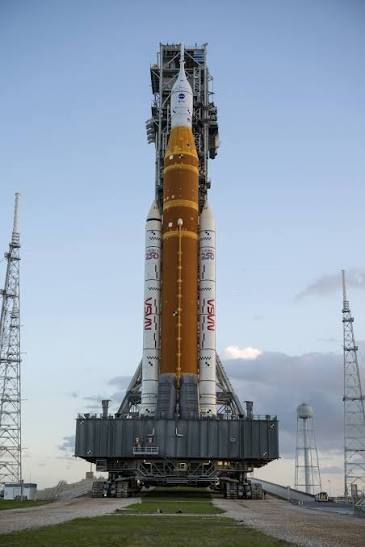
Space exploration continues to inspire and unite humanity. From satellites that support communication and navigation to missions probing the Moon, Mars, and beyond, science and technology open windows into the universe’s mysteries. These endeavors drive technological breakthroughs with applications beyond space travel, while fostering international cooperation and expanding our sense of connection to the cosmos.
In conclusion, science and technology are inseparable engines of change shaping the modern world. They offer incredible opportunities to improve health, connect communities, protect the planet, and expand knowledge. Yet, they also require thoughtful stewardship to ensure that benefits are shared equitably and risks are managed responsibly. By embracing the dynamic relationship between science and technology, society can chart a path toward a future marked by innovation, sustainability, and human flourishing.

Leave a Reply