
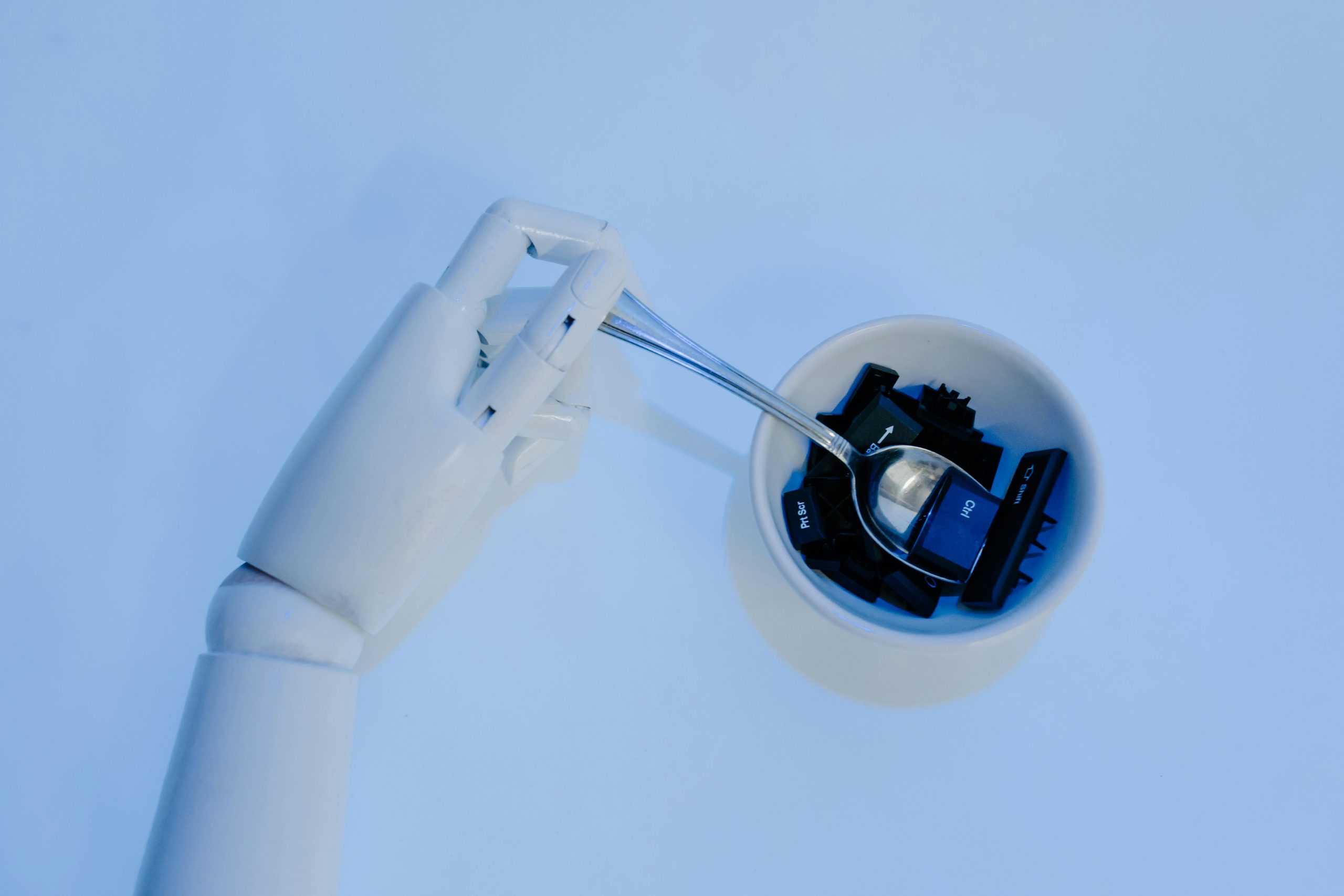

The most profound technological shift of May 2026 is not found in the flashy, humanoid robots of science fiction, but in the silent, seamless automation that has woven itself into the fabric of our daily routines. We have officially entered the era of “Background Intelligence,” where the repetitive tasks that once defined our digital lives—organizing emails, scheduling meetings, and even curating personal finances—are being handled by “invisible agents” before we even think to ask. As we navigate today’s news, the narrative has shifted from the fear of being replaced by AI to the quiet relief of being unburdened by it. This mechanical necessity is a survival response to the “neural exhaustion” and “social media fatigue” that peaked in early 2025; by automating the “drudgery of the digital,” technology is finally acting as a buffer rather than a distraction. Whether it is the smart-syncing of your “skin-first” wellness data to your grocery delivery app or the predictive routing of your morning commute that bypasses traffic in real-time, the tech you are using without realizing it is designed to vanish into the background, providing a sense of “cognitive stillness” that has become the ultimate luxury in 2026.
Furthermore, the reason “The Tech You’re Using Without Realizing It” defines the current workforce is rooted in the rise of “Hyper-Utility” over “Hyper-Engagement.” In today’s headlines, we see the traditional 9-to-5 workflow being dismantled by “Agentic AI” tools that quietly manage supply chains, draft initial reports, and handle 80% of customer service inquiries without human intervention. This automation is the backbone of the declining “hustle culture,” allowing professionals to trade “the grind” for a “low-effort” high-impact strategy that prioritizes energy over hours. Even in our personal lives, the “Clean Girl” aesthetic of 2026 is supported by automated home environments that regulate lighting, temperature, and air quality to match our biological rhythms, reflecting a broader “nurturing femininity” in tech design that prioritizes human comfort over technical complexity. This shift represents a move toward a “zero-footprint” interaction with our devices, where the goal is for the machine to anticipate the need so the human can focus on the connection. As we look at the 2026 professional landscape, the most successful individuals are not those who work the hardest, but those who have most effectively architected their “invisible systems” to handle the repetitive, allowing them to remain meaningfully present in a world that is finally learning to value silence over noise.

Leave a Reply