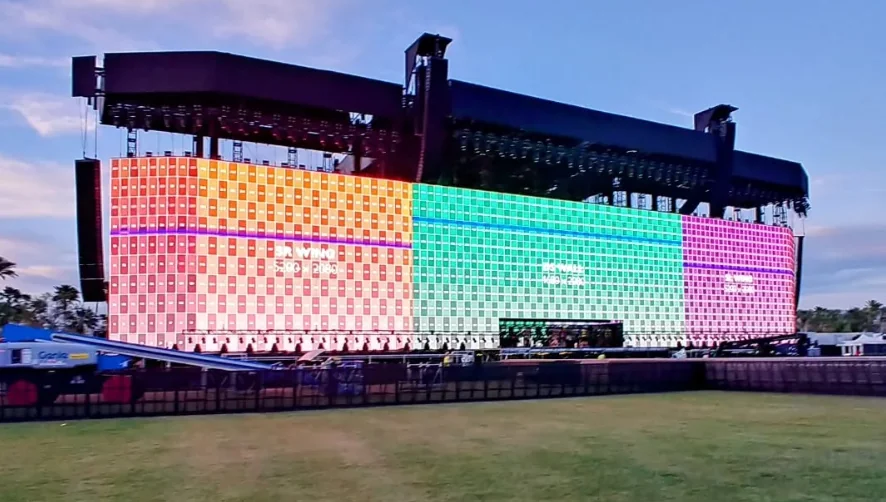

In 2026, cultural attention is no longer anchored to full experiences—it is shaped by fragments. At events like the Coachella Valley Music and Arts Festival, entire performances still matter, but it is the viral clips extracted from them that define how they are remembered, discussed, and circulated globally. A two-hour set may exist in full online, yet its cultural footprint is often determined by ten to twenty seconds of highly shareable moments.
This shift is structural, not accidental. Platforms are designed to prioritize brevity, repetition, and immediate emotional impact. Short-form content compresses complex experiences into digestible units that can be consumed in seconds and replayed endlessly. That repetition is key—it turns isolated moments into cultural reference points. A clip doesn’t just show what happened; it becomes what happened in collective memory.
The result is a fragmentation of experience. Full performances still exist, but they function more like archives than primary narratives. Most audiences never engage with them in full. Instead, they encounter a curated stream of highlights—entrances, reactions, visual shifts, and unexpected moments—each stripped from its original context and reassembled into standalone content.
This has changed how culture spreads. In earlier digital eras, audiences might have shared links to full songs, full interviews, or complete sets. Now, they share moments. A single reaction shot, a choreography sequence, or a surprise appearance can outperform an entire performance in reach and engagement. The fragment becomes the unit of cultural transmission.
At large-scale events like Coachella, this dynamic is especially visible. Performances are designed, consciously or not, to produce clip-worthy moments. Lighting cues, stage reveals, and guest appearances are often structured in ways that maximize their potential for isolation and redistribution. The success of a moment is increasingly measured not by how it functions in context, but by how it performs when removed from it.
Audiences have adapted to this format. Attention is now distributed across multiple micro-moments rather than sustained over longer experiences. People scroll through highlights, replay specific seconds, and engage with commentary layered on top of clips rather than the original source material. This creates a layered viewing experience where the clip, the reaction, and the reinterpretation all matter more than the full event itself.
The speed of circulation also intensifies this effect. A clip can reach global audiences within minutes, be remixed into memes, and reappear in entirely new contexts within hours. Each iteration adds another layer of meaning, further distancing the moment from its original setting while increasing its cultural visibility.
Ultimately, short-form content controls culture because it aligns perfectly with how attention now functions: fast, selective, and emotionally driven. Full performances still exist, but they are no longer the primary vessel of cultural memory. In 2026, the moment that wins is not the one that lasts the longest—it is the one that can be clipped, shared, and repeated the fastest.


Leave a Reply