
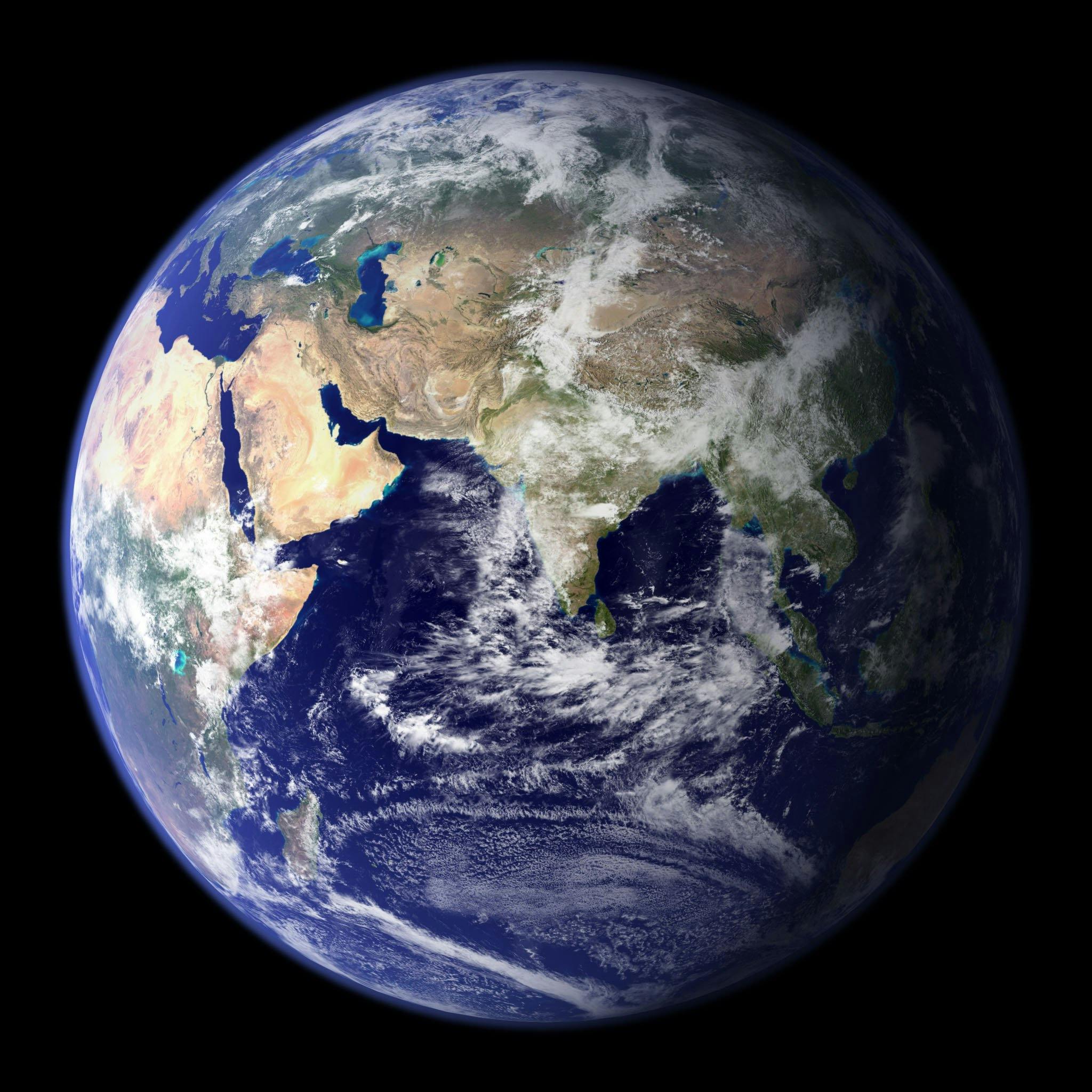

Earth is often called the “Blue Planet” because of its vast oceans, but what truly sets it apart in the solar system is its atmosphere—a thin, delicate layer of gases that wraps around the planet like a protective shield. This invisible envelope plays an essential role in making Earth hospitable for life, regulating temperature, filtering harmful radiation, and cycling essential elements. Without the atmosphere, the dynamic systems that sustain ecosystems and human civilization simply could not exist.
The atmosphere is composed primarily of nitrogen (about 78%) and oxygen (around 21%), with smaller amounts of argon, carbon dioxide, water vapor, and other trace gases. Each of these components serves a unique purpose. Oxygen is crucial for respiration in most animals and many microbes, while nitrogen, although inert in the atmosphere, becomes biologically active through processes like nitrogen fixation, supporting plant growth and the foundation of food chains. Carbon dioxide, despite its relatively low concentration, plays a key role in the greenhouse effect, helping maintain Earth’s surface temperature within a range suitable for life.
One of the atmosphere’s most vital functions is temperature regulation. Solar radiation heats Earth’s surface during the day, and the atmosphere traps some of this heat to prevent the planet from becoming too cold at night. This natural greenhouse effect is critical; without it, average global temperatures would plummet, making Earth inhospitable. However, human activities such as burning fossil fuels have increased greenhouse gas concentrations, amplifying this effect and driving climate change—a challenge that threatens ecosystems, economies, and communities worldwide.
The atmosphere also acts as a shield from space hazards. The ozone layer, located in the stratosphere, absorbs most of the Sun’s ultraviolet (UV) radiation, protecting living organisms from DNA damage and other harmful effects. Without this layer, life on the surface would face severe risks from UV exposure. The discovery of the ozone hole in the late 20th century was a wake-up call, demonstrating how human-produced chemicals like chlorofluorocarbons (CFCs) can disrupt atmospheric balance and endanger life.
Weather and climate systems are born within the atmosphere’s lowest layer, the troposphere. Here, complex interactions among solar energy, water vapor, and Earth’s rotation produce winds, clouds, rain, and storms. These atmospheric phenomena distribute heat and moisture around the globe, supporting diverse climates and ecosystems. Seasonal shifts, monsoons, and jet streams all emerge from atmospheric dynamics, shaping agriculture, water availability, and natural habitats.
Earth’s atmosphere is structured in layers, each with distinct characteristics. The troposphere, where nearly all weather occurs, extends up to about 8 to 15 kilometers above the surface. Above it lies the stratosphere, containing the ozone layer and experiencing a temperature increase with altitude. Higher still are the mesosphere and thermosphere, regions where temperatures drop dramatically and space weather phenomena like auroras occur. Beyond these lies the exosphere, gradually transitioning into outer space.
Human health and well-being are intimately connected to atmospheric conditions. Clean air is essential for breathing and overall health, but pollutants such as particulate matter, nitrogen oxides, and sulfur dioxide from vehicles, industry, and agriculture can degrade air quality. Exposure to these pollutants causes respiratory illnesses, cardiovascular problems, and other health risks. Efforts to monitor and improve air quality are critical to protecting populations, especially in urban and industrial areas.
The atmosphere also supports the water cycle, a continuous movement of water between the surface and the air. Evaporation from oceans, lakes, and soils, followed by condensation and precipitation, replenishes freshwater supplies, nourishes ecosystems, and sustains agriculture. Changes in atmospheric conditions can alter precipitation patterns, leading to droughts or floods that impact food security and biodiversity.
Technological advancements have enhanced our ability to understand and protect the atmosphere. Satellites monitor global weather patterns, greenhouse gas levels, and ozone concentrations, providing data crucial for forecasting, climate modeling, and policy-making. Ground-based networks measure air pollution and track sources, enabling targeted interventions to improve air quality.
The beauty and complexity of the atmosphere inspire both scientific inquiry and human creativity. Sunrises and sunsets paint the sky with vivid colors, clouds form intricate shapes, and phenomena like the Northern and Southern Lights reveal interactions between solar particles and atmospheric gases. These experiences connect people emotionally to the planet and motivate efforts to preserve its health.
In summary, Earth’s atmosphere is an extraordinary and fragile system that sustains life by regulating climate, protecting from radiation, supporting water cycles, and providing breathable air. It reflects the intricate interplay between natural processes and human influence. As humanity faces challenges such as climate change and pollution, understanding and safeguarding the atmosphere is more important than ever. Protecting this invisible shield ensures that Earth remains a vibrant and livable home for generations to come—a testament to the delicate balance that makes life on our planet possible.



Leave a Reply