
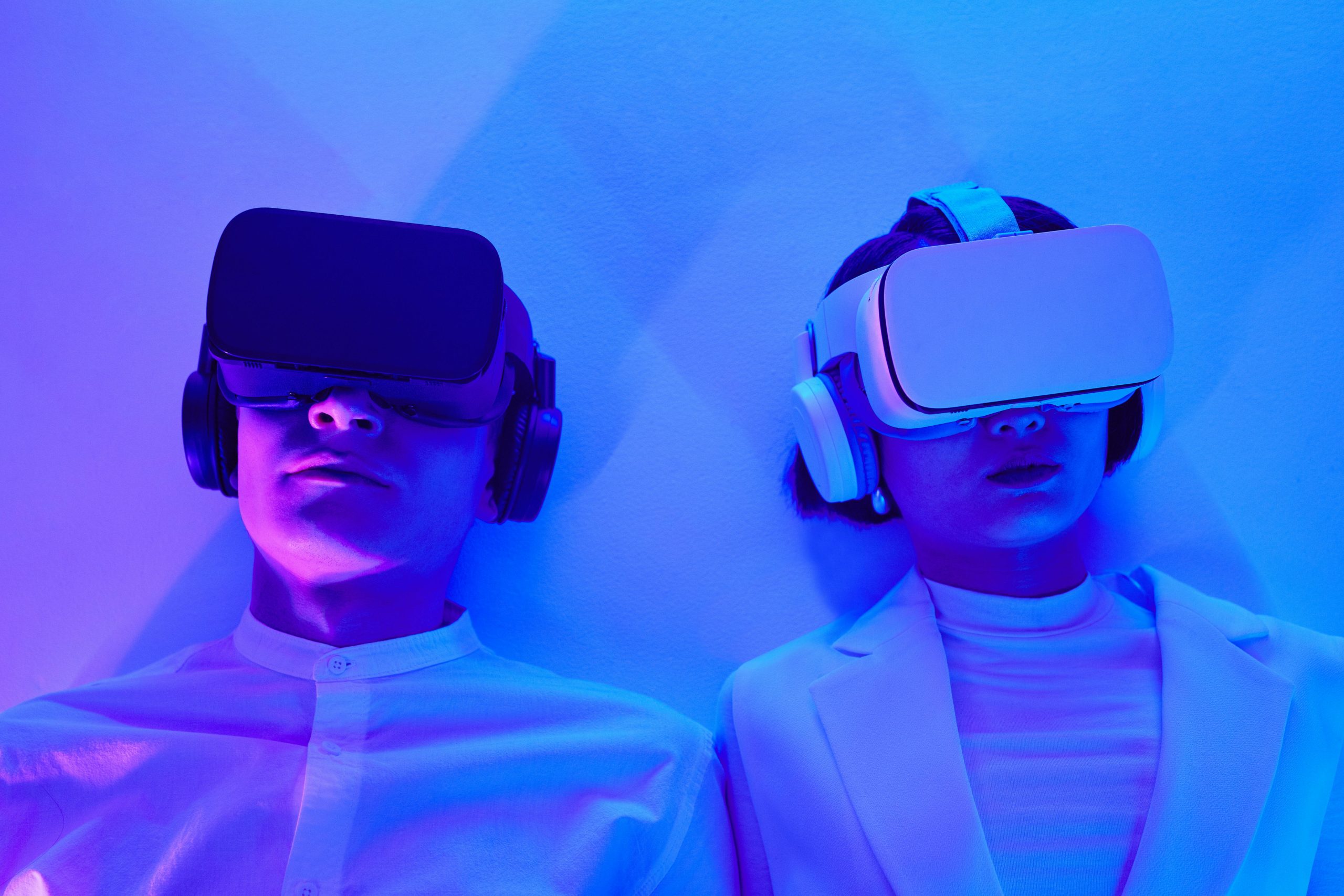

Technology in 2026 is no longer centered around futuristic concepts that feel distant or experimental. The biggest innovations shaping daily life are practical, integrated, and increasingly invisible — designed to improve convenience, efficiency, health tracking, communication, and automation without dramatically changing how people already live.
Instead of one single breakthrough dominating the year, multiple technologies are evolving simultaneously and blending into everyday routines.
Automation remains at the center of nearly every major conversation. AI-powered systems are now deeply integrated into workplaces, customer service, productivity tools, transportation, entertainment platforms, and digital communication. Tasks that once required manual effort are increasingly handled automatically through predictive systems and intelligent software.
The biggest difference compared to previous years is normalization.
People are no longer treating automation like a novelty. AI-assisted scheduling, content generation, voice transcription, recommendation systems, and workflow management tools are becoming standard expectations across industries. Intelligent assistance now feels built into modern infrastructure rather than separate from it.
Wearable technology is also evolving rapidly beyond fitness tracking.
Smart devices are increasingly focused on recovery, health monitoring, stress management, sleep optimization, and biometric feedback. Consumers are paying closer attention to energy levels, nervous system regulation, hydration, and long-term wellness instead of only exercise metrics or calorie counting.
This reflects a broader cultural shift toward preventative health.
Wearables now collect continuous data related to sleep quality, heart rate variability, stress indicators, physical recovery, and overall performance patterns. The goal is no longer just measuring activity — it is understanding how the body functions over time.
Augmented intelligence is another major trend shaping 2026.
Instead of replacing human behavior entirely, modern systems increasingly function as support layers that improve speed and efficiency. Workers use AI-assisted tools to organize tasks, summarize information, analyze patterns, and generate first drafts while humans focus more heavily on decision-making and refinement.
Consumer technology is also becoming quieter aesthetically.
Devices, interfaces, and apps are increasingly designed around minimalism and seamless integration. Technology no longer needs to look futuristic to feel advanced. In many cases, the most successful products are the ones users barely notice because they operate smoothly in the background.
Voice interaction continues expanding as well.
AI voice assistants, real-time translation tools, conversational interfaces, and smart audio systems are improving rapidly, making digital communication feel more natural and immediate. Audio-based interaction is becoming increasingly normalized across homes, workplaces, and mobile environments.
Meanwhile, personalization algorithms continue shaping online behavior at massive scale.
Streaming services, shopping platforms, social feeds, news recommendations, and advertising systems all rely heavily on predictive data models to customize user experiences continuously. Much of what people consume digitally is now curated algorithmically rather than discovered manually.
Sustainability conversations are influencing innovation too.
Technology companies are placing stronger emphasis on energy efficiency, durable hardware, battery optimization, and environmentally conscious manufacturing as consumers become more aware of digital infrastructure’s environmental impact.
At the same time, concerns around privacy, misinformation, surveillance, and AI dependency continue growing alongside innovation. The faster technology integrates into daily life, the more difficult it becomes to separate convenience from control.
That tension is becoming one of the defining themes of modern innovation: people want smarter systems, but they also want transparency around how those systems influence behavior and decision-making.
Importantly, 2026 technology trends are less about dramatic invention and more about integration. The future is no longer arriving through isolated gadgets — it is embedding itself quietly into routines people already have.
Ultimately, “The Technology Trends Already Defining 2026” reflects how innovation evolved from spectacle into infrastructure. Automation, wearable intelligence, predictive systems, and seamless digital assistance are no longer future concepts. They are becoming the standard operating environment of everyday life.
Leave a Reply