
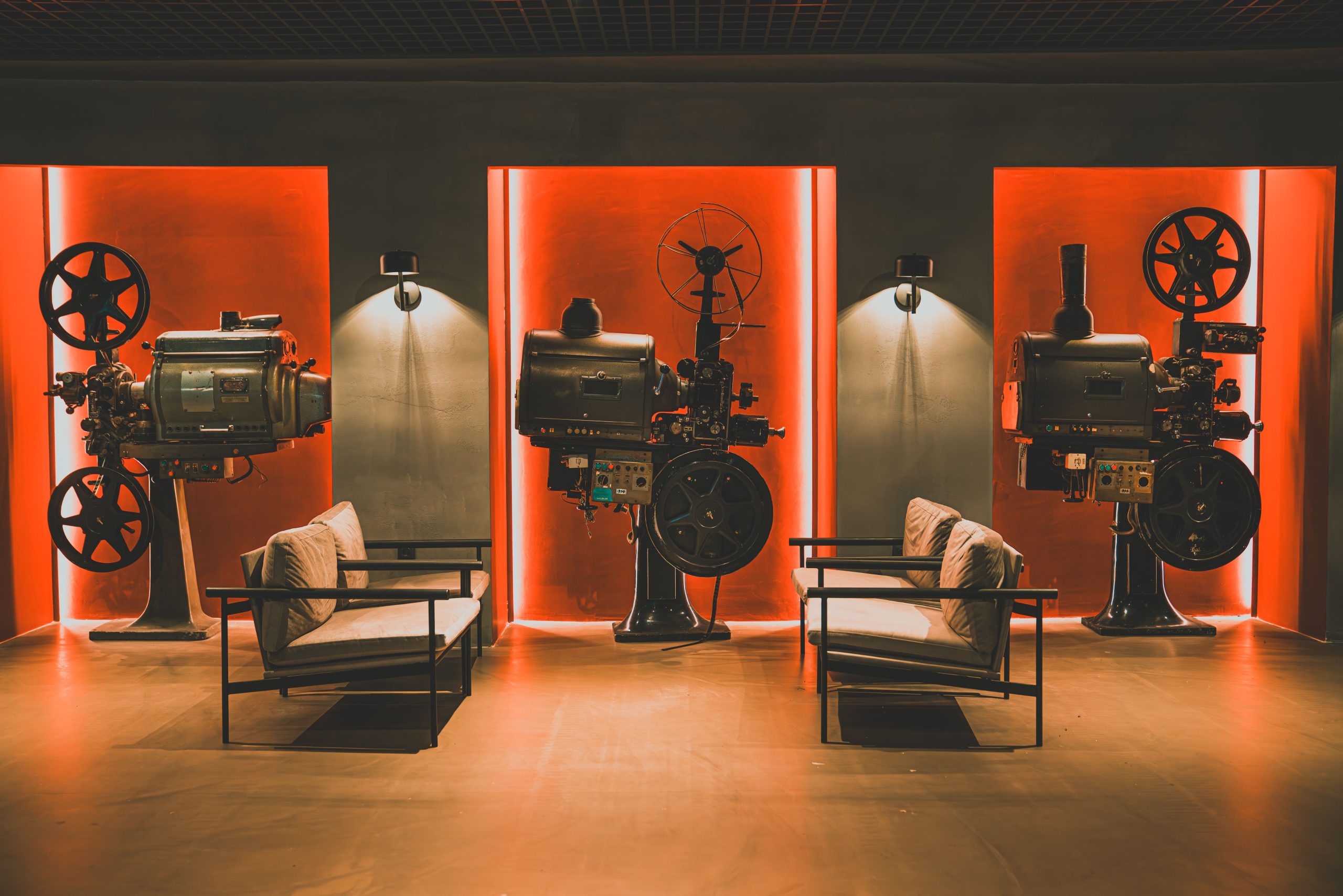

For more than a century, filmmaking depended on physical sets. Massive sound stages, carefully constructed buildings, painted backdrops, and on-location shoots brought stories to life. Whether recreating ancient civilizations or futuristic cities, studios often spent months building elaborate environments that existed only for a single production.
Today, that model is rapidly evolving. Advances in real-time visual effects are allowing filmmakers to replace many traditional sets with immersive digital environments that can be created, modified, and viewed live during filming. What once required extensive construction crews and costly travel can now be achieved using cutting-edge display technology, computer graphics, and artificial intelligence.
This transformation is known as virtual production, and it is quickly becoming one of the most significant technological revolutions in modern filmmaking.
Unlike traditional green-screen production, where digital backgrounds are added months later during post-production, virtual production allows actors and filmmakers to see realistic digital environments while cameras are rolling. Large LED walls display computer-generated landscapes that respond instantly to camera movement, creating the illusion of real locations.
The result is a much more natural filming experience. Actors can react to the environments around them rather than imagining them, while directors and cinematographers can evaluate lighting, composition, and visual effects immediately instead of waiting until editing is complete.
Much of this innovation is powered by real-time rendering technology. Modern graphics engines, particularly Unreal Engine, generate highly detailed digital environments at incredible speeds. Instead of rendering visual effects frame by frame over many hours, powerful computers produce cinematic-quality images instantly.
Camera tracking technology makes the illusion possible. Specialized sensors constantly monitor a camera’s exact position, angle, and movement. Every time the camera moves, the digital environment automatically shifts perspective, creating realistic depth and maintaining proper visual alignment.
LED volume stages represent another major breakthrough. Rather than filming against flat green screens, productions now use enormous curved LED displays that surround actors with digital scenery. These displays emit natural light, allowing reflections, shadows, and environmental lighting to appear directly on performers, costumes, and props.
Lighting has become significantly more realistic because the digital environments themselves illuminate the set. A virtual sunset casts warm orange tones across actors’ faces, while city lights or explosions naturally create reflections without requiring extensive digital correction afterward.
Artificial intelligence is also becoming an important part of the filmmaking process. AI-assisted tools help generate environmental details, improve image quality, automate repetitive visual effects work, and accelerate production workflows. While artists remain central to the creative process, AI is increasingly helping production teams work faster and more efficiently.
Another major advantage is flexibility. Directors can instantly change the weather, time of day, landscape, or background without relocating the production. A sunrise can become a sunset within minutes. A desert can transform into an icy mountain range with only a few adjustments to the virtual environment.
This dramatically reduces production costs associated with travel and logistics. Instead of transporting hundreds of crew members across multiple countries, many scenes can be filmed inside a single controlled studio while still appearing to take place anywhere in the world.
Environmental sustainability is becoming another reason studios are embracing virtual production. Fewer flights, reduced equipment transportation, and less large-scale set construction help lower the environmental impact of major productions while also reducing waste generated from temporary film sets.
Virtual production also improves collaboration. Directors, visual effects artists, production designers, lighting technicians, and cinematographers can all view the same finished-looking scene during filming. This immediate feedback allows creative decisions to happen earlier, reducing expensive revisions later in post-production.
The technology is expanding beyond blockbuster films. Television series, streaming productions, commercials, music videos, sports broadcasting, and live events are increasingly adopting virtual production techniques because they offer greater creative flexibility and shorter production timelines.
Studios are investing heavily in these systems because they represent long-term infrastructure rather than one-time expenses. Once virtual production stages are built, they can support countless productions across multiple genres.
Film education is evolving alongside the technology. Universities and production schools now offer programs that combine filmmaking with computer science, engineering, game development, animation, and digital design. The next generation of filmmakers is learning skills that bridge creativity and technology.
The influence of virtual production extends beyond entertainment. Many of the same technologies are being applied in architecture, automotive design, aerospace simulation, engineering visualization, healthcare training, and virtual reality development. Innovations originally developed for filmmaking are finding practical uses across numerous industries.
One of the most successful demonstrations of this technology came through the television series The Mandalorian, which showcased how LED volume stages could replace traditional green-screen production while delivering highly realistic cinematic environments. Its success encouraged studios around the world to accelerate investments in virtual production facilities.
Despite these advances, traditional filmmaking is unlikely to disappear completely. Physical sets, practical effects, and real-world locations continue to offer authenticity that digital technology cannot always replicate. Instead, the future of filmmaking will likely combine physical craftsmanship with increasingly sophisticated virtual environments.
Perhaps the most remarkable aspect of this transformation is how many scientific disciplines come together to make it possible. Computer graphics, optics, physics, artificial intelligence, software engineering, robotics, lighting design, and cinematography all contribute to creating believable cinematic worlds.
Ultimately, the technology replacing traditional film sets represents more than a filmmaking innovation—it reflects how rapidly digital tools are reshaping creative industries. As computing power continues to grow and real-time graphics become even more realistic, audiences may soon find it impossible to distinguish between physical locations and digitally generated environments.
The future of cinema is no longer defined by the size of a studio lot. Instead, it is being shaped by the collaboration between storytellers, scientists, engineers, and digital artists who are redefining what is possible every time the camera starts rolling.

Leave a Reply