
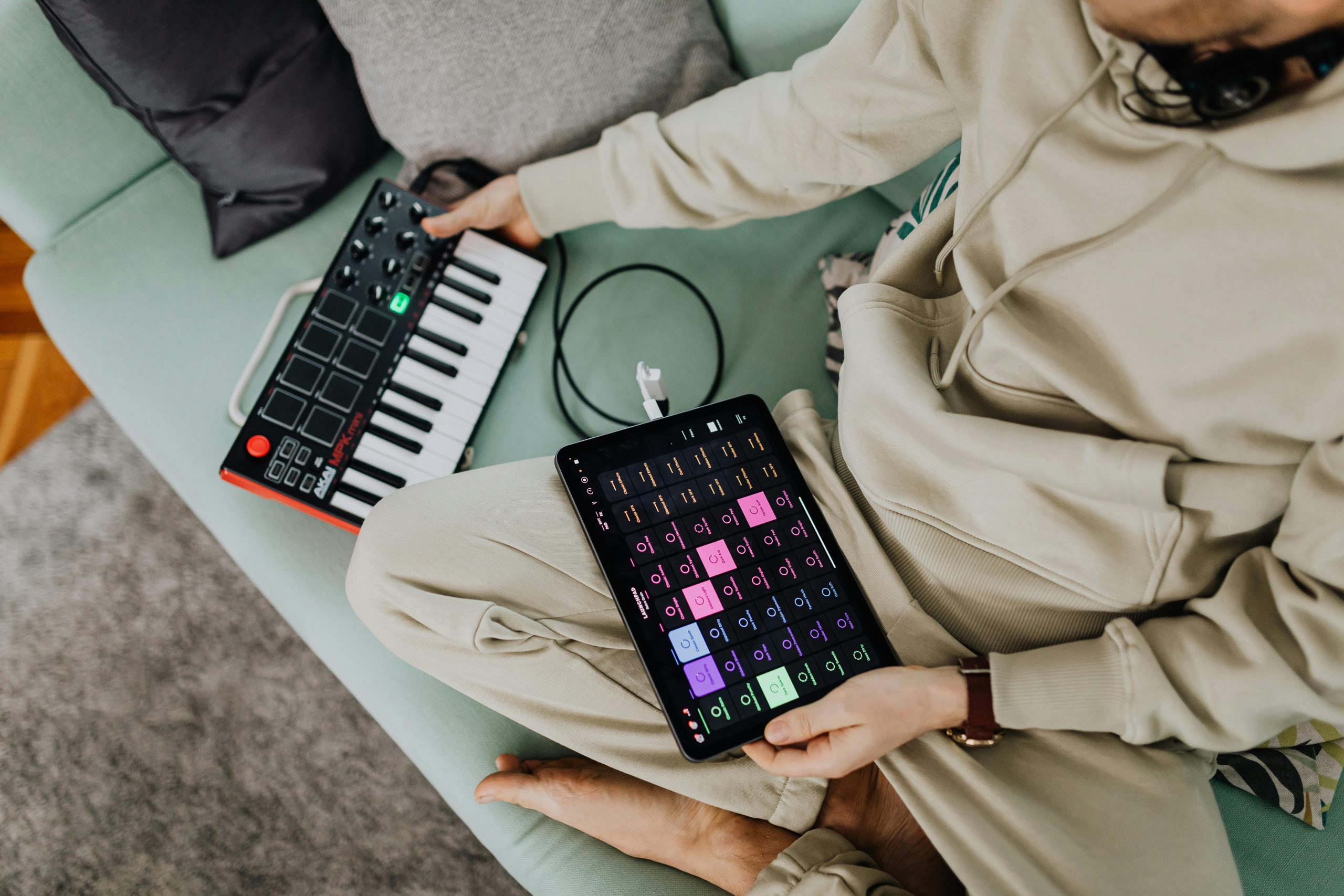

As Timbaland continues experimenting with AI-assisted music projects, the conversation around artificial intelligence in music is shifting from curiosity to normalization. In 2026, AI is no longer viewed only as a futuristic tool or controversial experiment—it is becoming part of the everyday creative process across the entertainment industry.
What makes this transformation significant is how quietly it’s happening. AI is rarely replacing artists outright. Instead, it’s integrating into workflows in subtle ways: generating melodies, assisting with production ideas, replicating vocal textures, speeding up editing, or helping creators test different versions of songs in real time. The technology often works in the background, shaping outcomes without always being obvious to listeners.
Timbaland’s experiments stand out because they reflect a producer’s mindset rather than a purely technical one. Producers have always used emerging tools to push sound forward—sampling, digital workstations, vocal processing, and algorithmic software all changed music production in earlier eras. AI is now entering that lineage as another tool capable of expanding what can be created and how quickly ideas can evolve.
The biggest shift AI introduces is speed. Creative experimentation that once took hours or days can now happen almost instantly. Artists can test arrangements, generate alternate sounds, or build rough concepts at a pace that dramatically changes the rhythm of production itself. Creativity becomes more iterative because the barrier between idea and execution gets smaller.
But speed also changes creative behavior. When possibilities become endless, decision-making becomes more complicated. Artists are no longer limited by technical access in the same way—they are limited by taste, direction, and the ability to know when to stop refining. In that sense, AI doesn’t remove the human role; it makes human judgment more important.
There’s also growing debate around originality. If AI systems are trained on massive libraries of existing music, where does influence end and imitation begin? This question is becoming central to conversations about authorship, especially as AI-generated sounds become increasingly difficult to distinguish from human-made work.
For some musicians, AI feels threatening because it introduces uncertainty around creative labor and identity. For others, it feels liberating because it reduces technical friction and opens new forms of experimentation. Both reactions can exist at the same time, which is why the conversation remains so unsettled.
Importantly, audiences are already adapting. Many listeners care less about how a track was created than whether it feels emotionally effective. If a song connects, the production process often becomes secondary. This creates a cultural tension between authenticity and efficiency that the music industry is still learning to navigate.
What’s happening now is not a sudden replacement of human creativity, but a redistribution of creative roles. AI handles more of the technical and generative process, while artists increasingly focus on curation, emotional direction, identity, and storytelling. The value shifts from creating every element manually to shaping meaning out of infinite possibilities.
Ultimately, “How AI Is Quietly Reshaping Music and Creativity” is not really about machines replacing artists. It’s about creativity entering a new phase where technology becomes embedded inside the process itself. And in 2026, the biggest changes in music are often the ones listeners don’t immediately notice—but are already changing how art gets made behind the scenes.

Leave a Reply