
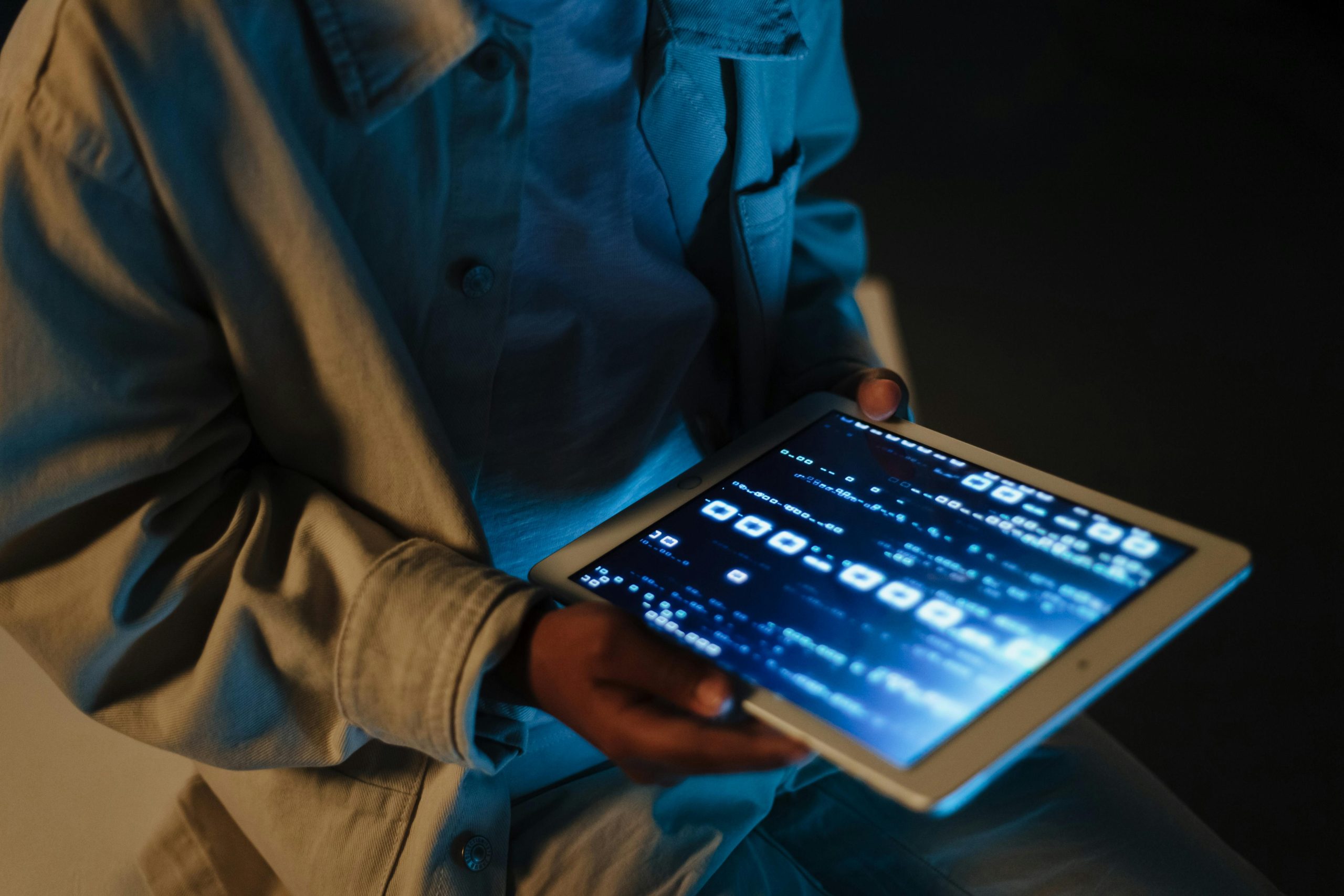

In 2026, technology isn’t just on the horizon — it’s embedded in nearly every aspect of daily life, often in ways people barely notice. From smart home devices that anticipate needs to AI assistants managing schedules and communications, innovations are quietly reshaping how we work, socialize, and even relax. What was once considered futuristic is now commonplace, and these subtle changes are redefining routines, expectations, and personal productivity across the globe.
One of the most visible trends is the integration of AI into everyday decision-making. People now rely on AI-powered tools for tasks as simple as choosing meals, planning commutes, or managing finances. Smart assistants provide suggestions based on past behavior, while predictive algorithms help optimize time, energy, and resources. This integration doesn’t just save time — it changes behavior, nudging individuals toward efficiency, healthier habits, or smarter choices, often without conscious effort.
Connectivity is another major driver of change. The proliferation of 5G, edge computing, and IoT devices has made seamless interaction between devices a reality. Homes, workplaces, and public spaces are now networked in ways that allow real-time data sharing and automation. For example, a thermostat adjusts automatically based on occupancy patterns, cars communicate with infrastructure to improve traffic flow, and wearable devices track health metrics, alerting users to trends before they become critical. These innovations create a more responsive, adaptive environment that feels intuitive and personalized.
Workplaces are evolving alongside these technologies. Remote collaboration tools, AI-driven productivity platforms, and virtual workspaces are no longer novelty solutions — they are standard expectations. Employees use AI to summarize meetings, flag priorities, or generate insights from large datasets, allowing humans to focus on creative problem-solving, strategy, and human interaction. The distinction between work and technology is increasingly blurred, as digital tools act as both assistant and collaborator, quietly enhancing output while reducing routine burdens.
Social and cultural behavior is also shifting. Recommendation algorithms guide what people watch, read, or listen to, shaping cultural consumption patterns in subtle but powerful ways. Communities form around shared interests, facilitated by online platforms that encourage interaction, content creation, and peer feedback. Even leisure activities are influenced by technology: fitness apps suggest routines tailored to goals and performance, streaming services curate personalized playlists, and gaming experiences blend digital and physical spaces seamlessly. The daily rhythm of life is now partially orchestrated by intelligent systems, often without explicit awareness.
Education and skill-building have likewise been transformed. AI tutoring platforms, immersive learning environments, and microlearning tools allow individuals to acquire knowledge at their own pace, integrating learning into daily routines. From coding bootcamps to language practice apps, technology enables continuous skill development, reshaping career paths and lifelong learning habits. Access to these tools empowers people to adapt to shifting labor markets and technological expectations more fluidly than ever before.
Healthcare is another sector feeling these subtle yet profound changes. Wearable devices, telehealth platforms, and AI diagnostics provide real-time monitoring and personalized insights, allowing people to manage wellness proactively. Routine checkups are increasingly virtual, while predictive analytics help identify risk factors before they manifest as serious conditions. The cumulative effect is a healthcare ecosystem that is more responsive, individualized, and data-driven, quietly improving outcomes without requiring constant intervention.
Perhaps the most remarkable aspect of these trends is their invisibility. While headlines often highlight breakthrough innovations, the technologies that truly influence everyday life tend to be those that integrate seamlessly and operate in the background. People experience improved convenience, efficiency, and connection, often without realizing how deeply these systems are shaping behavior, decisions, and expectations. The line between technology and daily life has blurred, making adaptation less about learning new tools and more about adjusting to a world that is quietly learning alongside us.
Ultimately, the tech trends of 2026 illustrate a quiet revolution. These innovations are not just gadgets or apps; they are the scaffolding of modern life, influencing routines, work patterns, social interactions, and personal habits. By enhancing efficiency, personalization, and insight, technology is reshaping the rhythm of daily existence in ways that are both subtle and profound. The future isn’t arriving tomorrow — it’s already woven into the fabric of today, guiding behavior, shaping culture, and redefining what it means to live and work in a connected world.

Leave a Reply