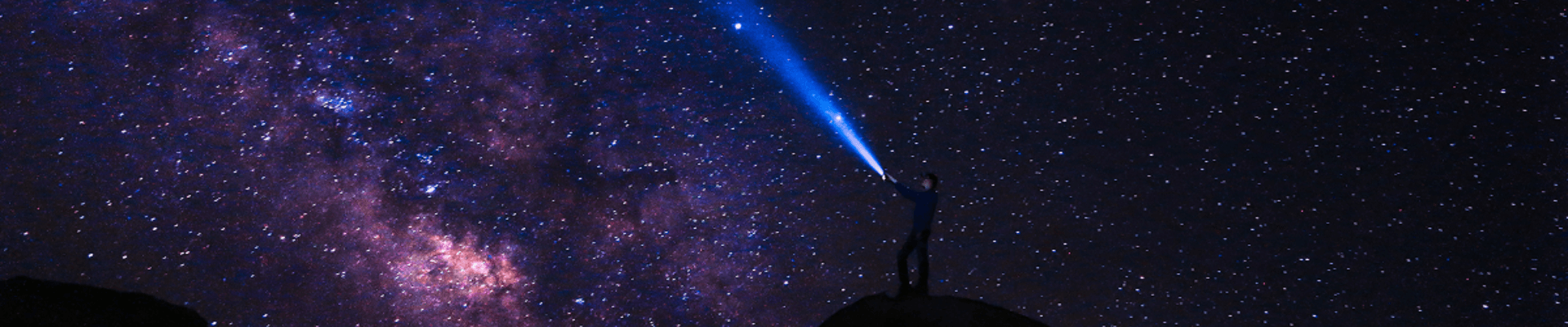

Space stretches beyond comprehension, not just in distance, but in meaning. It is a realm where familiar ideas of scale, time, and movement lose their ordinary definitions. From Earth, the sky may appear calm and unchanging, yet beyond the atmosphere exists a universe in constant motion—stars forming and fading, galaxies drifting, and cosmic forces shaping everything from the smallest particles to the largest structures known. Space reminds humanity that reality is far broader and more complex than daily experience suggests.
The universe began in an event that set space and time into motion, expanding outward and continuing to grow even now. This expansion carries galaxies away from one another, creating vast distances that challenge observation and understanding. Despite this separation, everything in the universe remains connected by shared origins and physical laws. The same forces that govern falling objects on Earth shape the movement of planets and stars, revealing an underlying unity beneath the universe’s apparent chaos.
Stars are among the most influential elements of space. They are not merely points of light, but powerful engines that generate heat, light, and the elements necessary for life. Over their lifetimes, stars transform simple particles into complex atoms, eventually releasing them back into space. This process makes planets and life possible, linking the existence of every living being to ancient stellar activity. In this sense, space is not distant or abstract—it is woven into the fabric of existence itself.
Planets, too, tell stories about the universe. Each world reflects a unique combination of conditions shaped by its star, composition, and history. Some planets are barren and hostile, while others may hold the potential for life. The discovery of planets orbiting distant stars has expanded the idea of what planetary systems can be, challenging assumptions based solely on our own solar neighborhood. These discoveries suggest that the universe may be far more diverse and dynamic than once imagined.
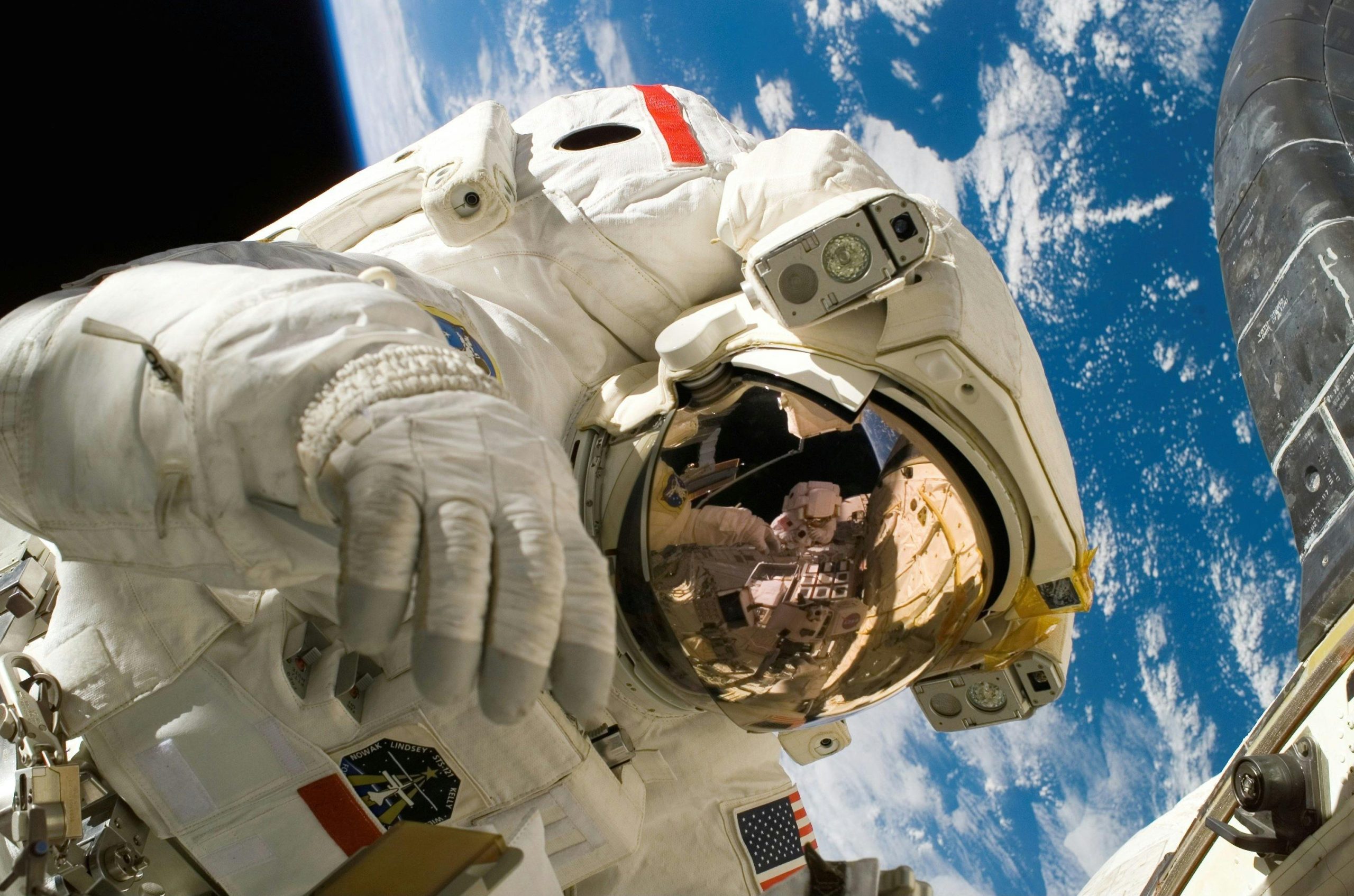
Space exploration has transformed how humanity understands its place in the cosmos. By sending instruments beyond Earth, humans have gained perspectives that were once impossible. Images of Earth from space reveal a fragile world without visible borders, emphasizing the shared nature of life on this planet. This view has influenced how people think about responsibility, cooperation, and the future of humanity, demonstrating that exploration outward can inspire reflection inward.
Despite technological progress, space remains largely unknown. Vast regions of the universe are still beyond observation, hidden by distance, dust, or the limits of current instruments. Phenomena such as dark matter and dark energy continue to challenge understanding, shaping the universe in ways that cannot yet be fully explained. These mysteries serve as reminders that knowledge is always incomplete and that curiosity drives progress.
Space also plays a role in shaping imagination and culture. It has inspired countless stories, artworks, and visions of the future. From ancient myths to modern science fiction, space has been a canvas for exploring human hopes, fears, and possibilities. These creative interpretations reflect humanity’s desire to understand the unknown and to imagine futures beyond present limitations.
Time behaves differently in space, adding another layer of wonder. Near massive objects or at extreme speeds, time slows, blurring the line between past, present, and future. This reality challenges intuitive understanding and reveals that time itself is not absolute. Space, therefore, is not just a place, but a dimension that reshapes fundamental aspects of existence.
As humanity looks toward the future, space exploration continues to evolve. New missions aim to return to familiar destinations while pushing further into the unknown. Advances in technology make deeper exploration possible, yet each step forward raises questions about ethics, responsibility, and purpose. How humanity chooses to explore will shape not only scientific progress but also collective values.
Ultimately, space invites humility and wonder. It shows that while humanity has achieved remarkable understanding, there is always more beyond reach. The universe does not exist solely to be explained or conquered; it exists to be observed, questioned, and respected. By continuing to explore space with curiosity and care, humanity honors its desire to learn while acknowledging its place within a vast and unfolding cosmic story.
Leave a Reply