
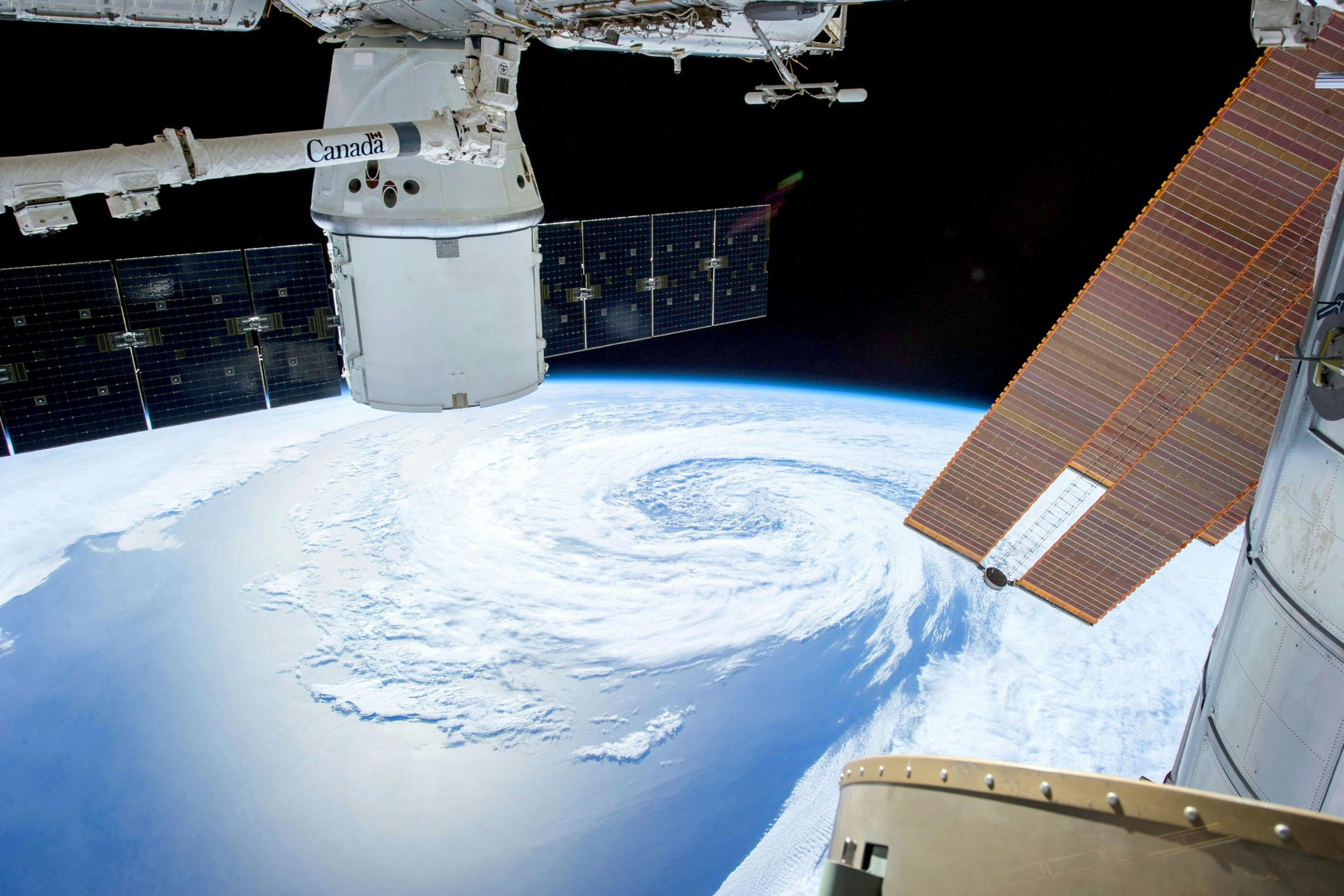

Earth is a remarkable planet, uniquely positioned in the solar system to support the vast diversity of life we know today. Much of this life-sustaining ability comes from an invisible yet vital layer that envelopes our world—the atmosphere. This delicate blanket of gases not only protects us from harmful radiation and extreme temperatures but also regulates the air we breathe and the climate systems that make Earth habitable. Understanding Earth and its atmosphere reveals the intricate balance that sustains life and highlights the urgent need to protect this precious system.
The atmosphere is composed mainly of nitrogen (about 78%) and oxygen (roughly 21%), with trace amounts of other gases like argon, carbon dioxide, and water vapor. Each component plays a crucial role. Oxygen supports respiration for most living organisms, while nitrogen contributes to the growth of plants by being a key element in proteins and DNA. Carbon dioxide, although a minor fraction, is essential for photosynthesis and helps regulate Earth’s temperature through the greenhouse effect.
This greenhouse effect is one of the atmosphere’s most important functions. Certain gases trap heat from the Sun, preventing it from escaping back into space too quickly. Without this natural warming, Earth’s average temperature would be far too cold to support most current life forms. However, human activities such as burning fossil fuels and deforestation have increased the concentration of greenhouse gases, intensifying this effect and contributing to global warming—a change that threatens ecosystems and human societies worldwide.
The atmosphere is also Earth’s protective shield against solar and cosmic radiation. The ozone layer, located within the stratosphere, absorbs most of the Sun’s harmful ultraviolet rays, preventing them from reaching the surface where they can damage living cells. This layer’s depletion due to human-made chemicals highlighted how fragile our atmospheric systems are and how interconnected human actions are with planetary health.
Beyond protection and temperature regulation, the atmosphere drives weather and climate. It moves in complex patterns influenced by Earth’s rotation, the heating of the Sun, and the planet’s surface features. These patterns create wind, precipitation, and storms—phenomena that shape ecosystems and human life. From gentle rains nourishing crops to powerful hurricanes reshaping coastlines, the atmosphere’s dynamics are constantly at work.
Earth’s atmosphere is layered, with each level serving different roles. The troposphere, closest to the surface, contains most of the air we breathe and where weather occurs. Above it lies the stratosphere, housing the ozone layer and exhibiting more stable conditions. Higher up, the mesosphere and thermosphere absorb solar radiation and contain ionized particles that create phenomena like the Northern Lights. Finally, the exosphere gradually fades into space, where atmospheric particles escape into the void.
Human life depends on the atmosphere in countless ways beyond breathing clean air. It facilitates the water cycle, where water evaporates, forms clouds, and returns as precipitation, replenishing freshwater sources. The atmosphere also influences agriculture by determining growing conditions, from temperature ranges to rainfall patterns. Understanding these connections helps humanity better adapt to changes and safeguard resources.
Unfortunately, human impacts on the atmosphere have caused significant challenges. Pollution from industrial processes, vehicles, and agriculture releases harmful substances such as nitrogen oxides, sulfur dioxide, and particulate matter, which degrade air quality and harm health. Climate change, driven primarily by increased greenhouse gases, is causing more extreme weather events, sea-level rise, and disruptions to ecosystems. These changes highlight the atmosphere’s sensitivity and the urgent need for global cooperation to reduce emissions and protect this vital resource.
Technological advances have improved our ability to monitor and understand the atmosphere. Satellites track weather patterns, measure greenhouse gas concentrations, and observe changes in ozone levels. Ground-based sensors provide real-time data on air quality and pollution. These tools help scientists predict weather, study climate trends, and inform policy decisions to better protect human health and the environment.
The atmosphere is also a source of wonder. The vivid colors of sunsets, the shimmering auroras near the poles, and the intricate patterns of clouds all remind us of the atmosphere’s dynamic beauty. These daily and seasonal displays connect humans emotionally to the planet and inspire efforts to understand and preserve Earth’s natural systems.
In conclusion, Earth’s atmosphere is a complex, life-sustaining system that balances protection, nourishment, and climate regulation. It is a fragile layer whose health depends on the delicate interplay of natural processes and human activity. By deepening our understanding of the atmosphere and committing to its stewardship, humanity can ensure that Earth remains a vibrant, livable home for generations to come. The future of life on this planet depends on maintaining this balance—because in the vastness of space, Earth’s atmosphere is truly one of the universe’s most precious gifts.
Leave a Reply