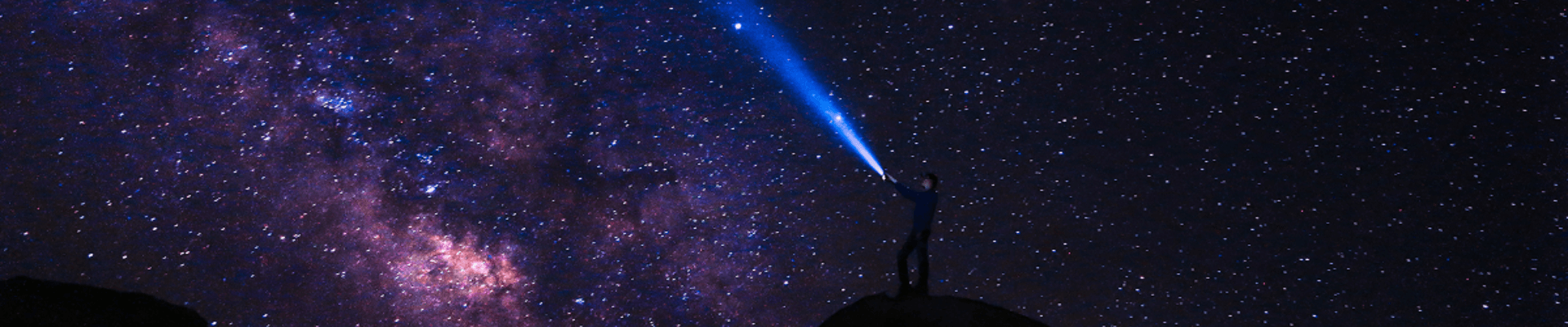

Space is more than a vast expanse beyond Earth’s atmosphere; it is a living record of time itself. When we look into the night sky, we are not seeing the universe as it is now, but as it was in the past. Light from distant stars and galaxies takes years, centuries, or even billions of years to reach us, meaning every observation is a glimpse into cosmic history. In this way, space acts as a bridge between time and distance, allowing humanity to study events that occurred long before Earth even existed.
The universe is constantly in motion, shaped by forces that operate on scales far beyond everyday experience. Gravity binds galaxies together, governs the motion of planets, and shapes the structure of space itself. Stars form from clouds of gas and dust, burning brightly for millions of years before exhausting their fuel and transforming into remnants such as white dwarfs, neutron stars, or black holes. These endings are not conclusions but transitions, redistributing elements that may one day form new stars, planets, or even life.
Black holes are among the most fascinating and misunderstood objects in space. They are not cosmic vacuum cleaners consuming everything in sight, but regions where gravity becomes so intense that space and time behave in extreme ways. Near a black hole, time slows relative to distant observers, and the paths of light curve dramatically. Studying these objects has helped scientists test the limits of physics and better understand how the universe functions under the most extreme conditions.
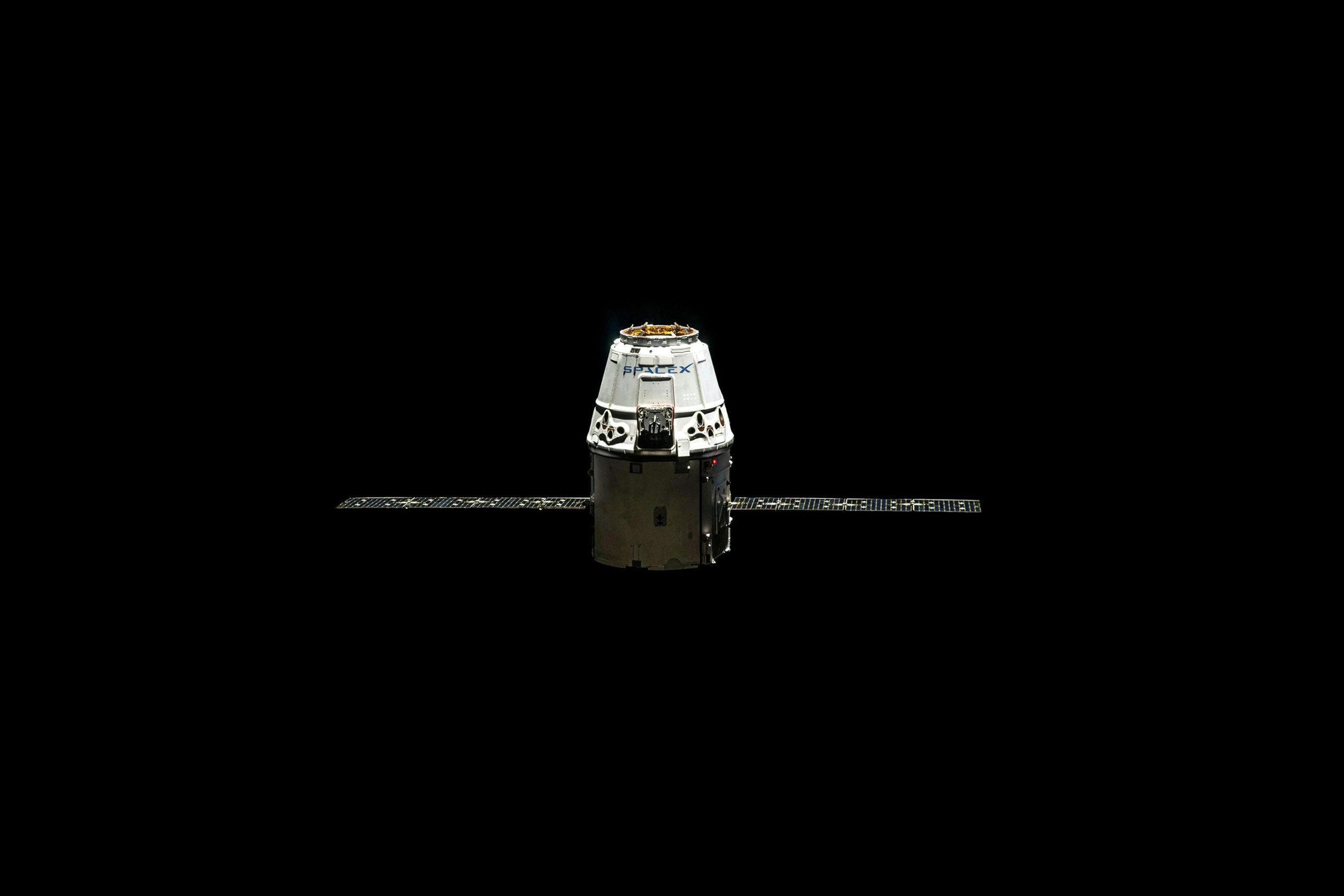
Space exploration has dramatically expanded human perspective. Telescopes placed beyond Earth’s atmosphere reveal details of the universe that were once invisible, capturing images of distant galaxies, nebulae, and planetary systems forming around young stars. These observations have shown that planets are common, not rare, and that the universe is filled with diverse environments. Some worlds are scorched by intense radiation, while others may harbor oceans beneath icy surfaces, suggesting that the conditions for life may exist in many forms.
The idea that space is silent and empty is misleading. While sound cannot travel through the vacuum, space is rich with activity. Magnetic fields, radiation, and energetic particles move through interstellar space, influencing stars and planets alike. Solar winds from stars interact with planetary atmospheres, shaping their climates and, in some cases, stripping them away entirely. These interactions highlight how interconnected cosmic systems truly are.
Time behaves differently in space, challenging intuitive understanding. According to modern physics, time can slow down near massive objects or at high speeds. Astronauts aboard spacecraft experience time at a slightly different rate than people on Earth, a phenomenon that must be accounted for in satellite systems such as GPS. These effects, once theoretical, are now practical considerations, showing how deeply space science intersects with everyday technology.
Humanity’s desire to explore space reflects a deeper drive to understand existence itself. Each mission, whether robotic or human-crewed, represents a step toward answering fundamental questions about origin, destiny, and possibility. Space exploration is not simply about reaching new destinations but about expanding knowledge, testing creativity, and fostering cooperation across cultures and nations.
At the same time, space exploration raises ethical and philosophical questions. As technology advances, humanity must consider how to explore responsibly, avoiding harm to potential ecosystems and preserving cosmic environments for future generations. Space is vast, but resources and opportunities are not limitless. Thoughtful stewardship ensures that exploration remains a force for discovery rather than exploitation.
The future of space holds both excitement and uncertainty. Plans for missions to the Moon, Mars, and beyond suggest a renewed era of exploration, blending scientific research with long-term human presence. Advances in propulsion, robotics, and artificial intelligence continue to reshape what is possible, making once-distant goals feel increasingly attainable. Yet every new achievement also reveals new mysteries, reminding us that the universe does not yield its secrets easily.
In the end, space invites humility. No matter how advanced technology becomes, the universe remains larger and older than human understanding. Each discovery expands our perspective while reinforcing how much remains unknown. Space is not just a place to explore—it is a reminder of curiosity, patience, and wonder. By continuing to look outward, humanity also learns to look inward, gaining a deeper appreciation for existence, time, and our place within the vast cosmic story.
Leave a Reply