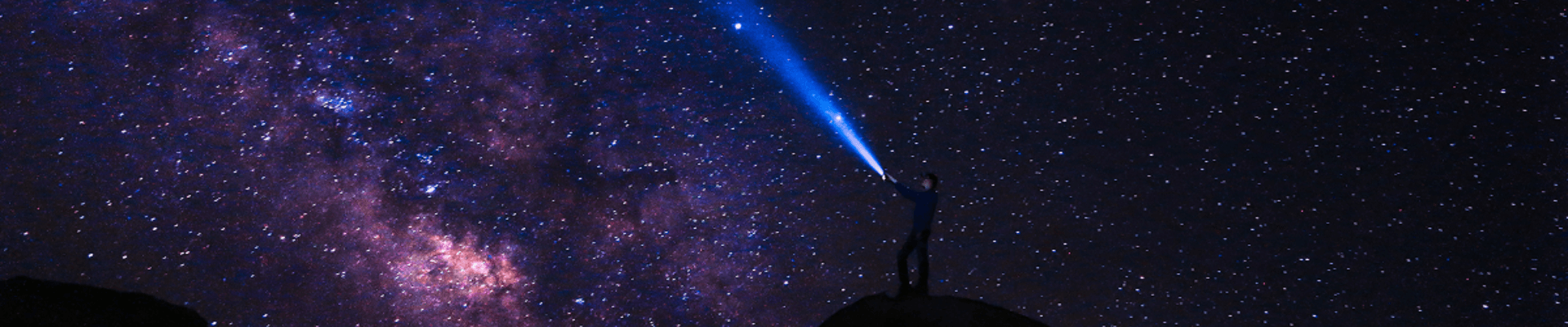
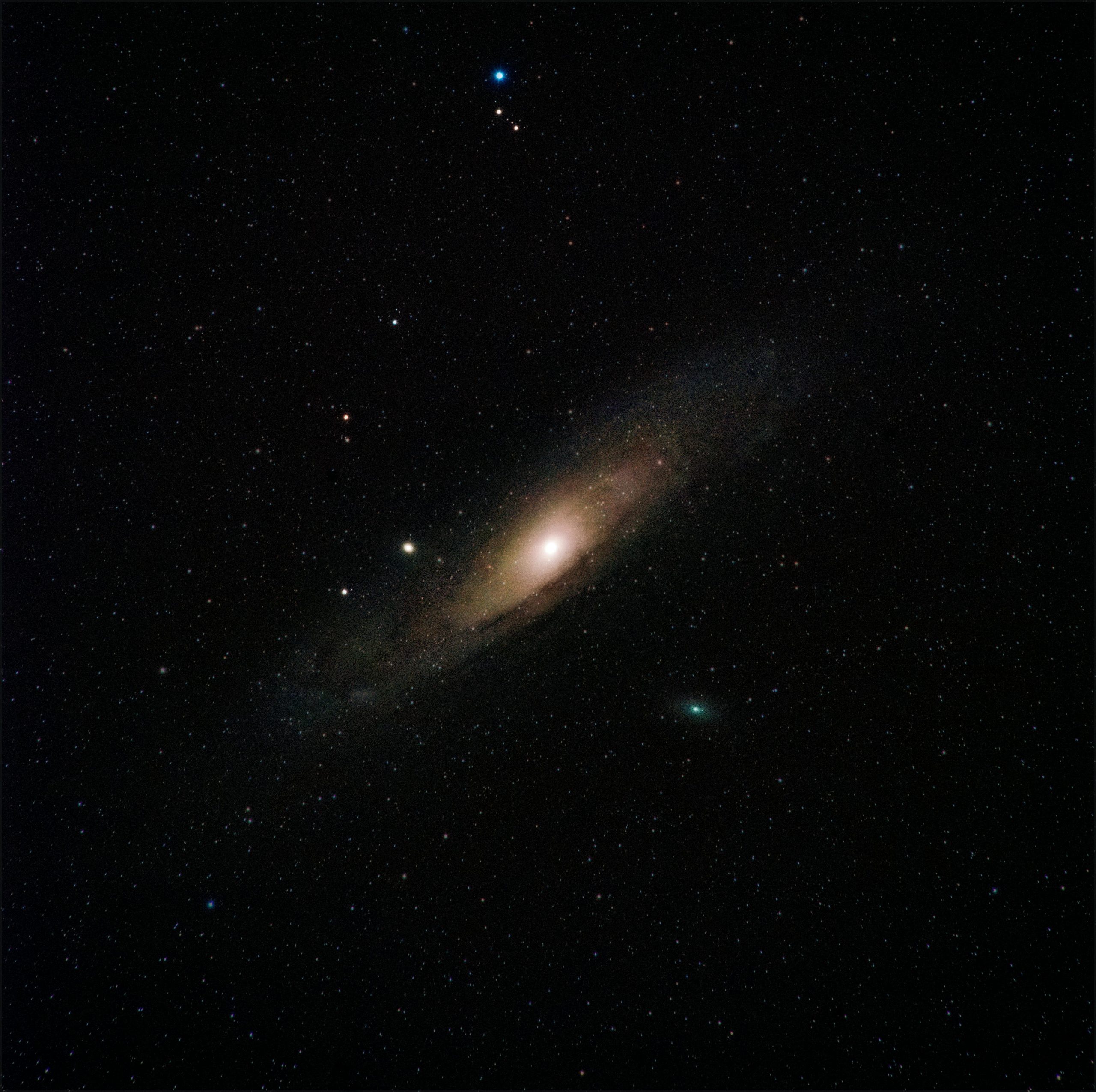

Space has always held a unique place in human imagination. Long before telescopes, satellites, or scientific explanations, people looked up at the night sky and wondered what lay beyond what they could see. Those distant points of light inspired myths, calendars, navigation, and a deep sense of curiosity that has never faded. Even today, with advanced technology and detailed images of galaxies millions of light-years away, space remains vast, humbling, and only partially understood. It reminds us how small we are, yet how powerful human curiosity can be.
At its core, space is not empty. Although it may appear silent and still, it is filled with energy, motion, and matter in forms both familiar and strange. Stars are born, age, and die over millions or billions of years. Planets orbit their stars in delicate gravitational balances. Gas clouds collapse to form new solar systems, while others are torn apart by cosmic forces. These processes happen continuously, whether or not we are there to observe them, shaping the structure of the universe on an unimaginable scale.
Our own planet exists because of this cosmic order. Earth formed from remnants of ancient stars, built from elements forged in stellar explosions long before the Sun existed. Every atom in the human body has a history tied to space, linking life on Earth to distant galaxies and events that occurred billions of years ago. This connection gives space exploration a deeper meaning—it is not just about discovering what is out there, but about understanding where we come from.
The study of space has transformed how we see reality itself. Concepts such as gravity, time, and distance behave differently beyond Earth. Time slows near massive objects, space can bend, and light can be stretched or compressed. These ideas, once thought impossible, are now fundamental to modern physics. Space challenges our assumptions and forces us to rethink how the universe operates, showing that reality is far more complex and fascinating than everyday experience suggests.
Human exploration of space represents one of the most ambitious achievements in history. Sending machines—and eventually people—beyond Earth required innovation, collaboration, and immense courage. Satellites orbiting Earth now support communication, navigation, weather prediction, and scientific research, quietly influencing daily life in ways most people rarely consider. Robotic explorers on Mars, probes traveling beyond the solar system, and telescopes peering into deep space continue to expand our understanding without ever leaving human presence behind.
Despite these advances, space still resists full comprehension. Dark matter and dark energy, which together make up most of the universe, remain largely mysterious. We know they exist because of their effects, yet their true nature is unknown. This uncertainty is not a failure of science but a reminder that discovery is an ongoing process. Each answer leads to new questions, pushing knowledge forward rather than closing the book on the universe.
Space also invites philosophical reflection. Looking at Earth from afar reveals no borders, no divisions—only a fragile sphere suspended in darkness. This perspective has influenced how many people think about humanity’s shared responsibility to protect the planet and one another. Space exploration does not pull us away from Earth; instead, it often deepens appreciation for the rare conditions that make life possible here.
The search for life beyond Earth is one of the most compelling questions in space science. From Mars to distant exoplanets, scientists are investigating whether conditions exist that could support life, past or present. Even the discovery of simple microorganisms elsewhere would profoundly change our understanding of life’s place in the universe. It would suggest that life is not unique to Earth, but a natural outcome of cosmic processes.
Yet space is not only about distant worlds and abstract theories. It also influences culture, art, and imagination. Space inspires stories, music, films, and dreams of exploration. It represents possibility—the idea that there is always more to discover, more to learn, and more beyond the limits of current understanding. This inspiration fuels innovation not only in science but in how people think about the future.
As humanity continues to explore space, questions about responsibility and intention become increasingly important. How we explore, what we protect, and how we cooperate will shape the future of space activity. The universe is vast, but our actions within it matter. Exploration carries both opportunity and responsibility, requiring thoughtful decisions that balance curiosity with care.
Ultimately, space reminds us that knowledge is never complete. The universe does not rush to reveal its secrets, and that is part of its power. It invites patience, humility, and wonder. Every discovery, from a nearby planet to a distant galaxy, expands our understanding while reinforcing how much remains unknown. In this balance between knowledge and mystery, space continues to inspire humanity—not as something to conquer, but as something to explore, understand, and respect.
Leave a Reply