
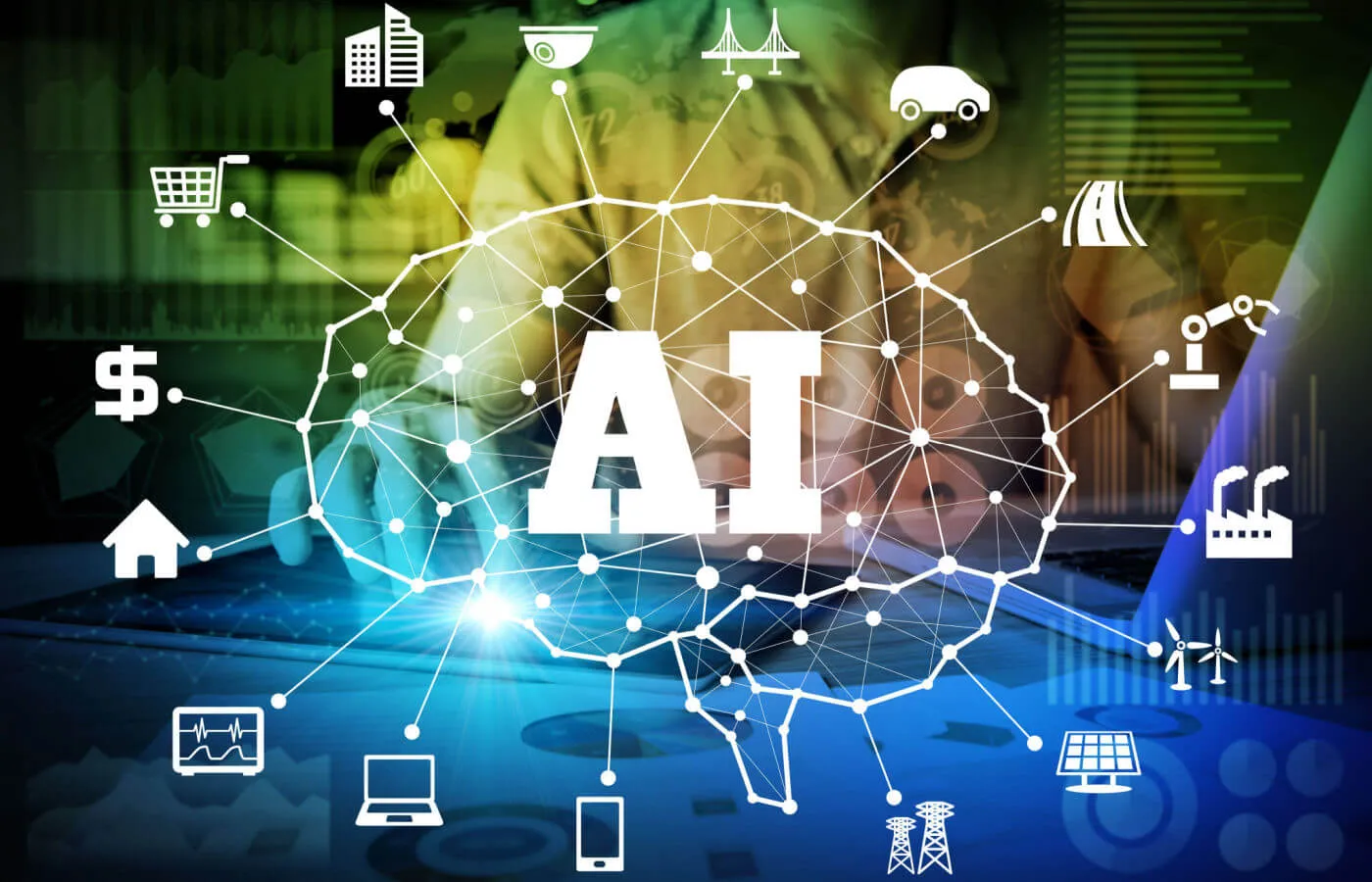

Artificial Intelligence, or AI, has rapidly evolved from a niche scientific concept to a transformative force reshaping countless aspects of our daily lives and society at large. At its core, AI refers to the development of computer systems capable of performing tasks that typically require human intelligence—such as understanding language, recognizing patterns, making decisions, and learning from experience. This technology is no longer confined to science fiction; it is embedded in the devices we use, the services we access, and the industries that drive the global economy.
One of the most significant impacts of AI is its ability to process and analyze vast amounts of data far beyond human capacity. Machine learning algorithms can identify trends, make predictions, and generate insights from complex datasets in fields ranging from healthcare to finance. For example, AI systems assist doctors in diagnosing diseases by analyzing medical images or patient records, sometimes catching subtle signs that might escape human eyes. In finance, AI helps detect fraudulent transactions by recognizing unusual patterns, safeguarding both consumers and institutions.
Natural language processing (NLP), a subset of AI, has revolutionized how humans interact with machines. Virtual assistants like Siri, Alexa, and Google Assistant rely on NLP to understand spoken commands and provide meaningful responses. Language models enable chatbots and customer service platforms to offer instant support, improving accessibility and convenience. These advances are making technology more intuitive and responsive, reducing barriers between humans and digital tools.
AI also powers personalization on a massive scale. Streaming services recommend movies and music based on individual preferences, online stores suggest products tailored to browsing history, and social media platforms curate content feeds designed to engage users. While this enhances user experience, it also raises important questions about privacy, data security, and the potential for echo chambers—where individuals are only exposed to ideas similar to their own.
Automation driven by AI is transforming industries by streamlining workflows and improving efficiency. In manufacturing, robots equipped with AI handle repetitive tasks with precision, allowing human workers to focus on creative problem-solving and oversight. Autonomous vehicles are advancing, promising to change transportation by reducing accidents and increasing mobility for those unable to drive. In agriculture, AI-driven drones and sensors optimize irrigation and crop monitoring, supporting sustainable food production.
Despite these benefits, AI presents ethical and societal challenges that require careful consideration. Bias in AI algorithms, often reflecting existing social inequalities, can lead to unfair outcomes in areas like hiring, lending, and law enforcement. Transparency and accountability in AI decision-making are critical to building trust and ensuring that technology serves all members of society equitably. Policymakers, technologists, and communities must collaborate to create frameworks that address these issues while encouraging innovation.
The future of AI holds immense promise but also uncertainty. Advances in areas such as general AI—machines that can perform any intellectual task a human can—pose profound questions about the nature of work, creativity, and human identity. Preparing for these changes involves not only technological development but also education, regulation, and ethical reflection. Fostering AI literacy and promoting inclusive dialogue will be essential to navigating this evolving landscape.
In education, AI offers tools for personalized learning, adapting to students’ individual needs and pacing. This could democratize access to quality education globally, but it also requires careful implementation to avoid reinforcing disparities. In healthcare, AI’s potential to accelerate drug discovery and support mental health interventions is expanding, promising better outcomes but necessitating rigorous validation and privacy protections.
Creativity is another frontier where AI is making surprising contributions. From composing music and writing stories to generating artwork and designing products, AI systems collaborate with human creators, expanding the boundaries of what is possible. This synergy invites us to rethink the relationship between technology and human imagination, seeing AI not just as a tool but as a partner in innovation.
In everyday life, AI is becoming increasingly seamless and integrated. Smart home devices manage energy use and security, AI-powered translation bridges language gaps, and recommendation engines guide entertainment and shopping choices. These conveniences reshape expectations about technology’s role and raise questions about dependence, control, and the nature of human decision-making.
Ultimately, AI is a reflection of human ingenuity and values. Its development and deployment carry the imprint of those who design and govern it. By approaching AI with curiosity, caution, and commitment to shared benefit, society can harness its power to address complex challenges—from climate change to global health—while preserving the dignity and diversity of human experience.
Artificial Intelligence is not just a technological revolution; it is a catalyst for cultural and ethical transformation. As it continues to evolve, AI invites each of us to participate in shaping a future where technology amplifies human potential, fosters connection, and builds a more equitable world. The journey of AI is, in many ways, a journey of humanity itself—toward new horizons of knowledge, creativity, and responsibility.
Leave a Reply