
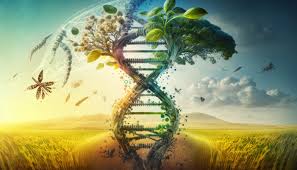

Synthetic biology is a rapidly evolving interdisciplinary field that combines biology, engineering, computer science, and chemistry to design and construct new biological parts, devices, and systems or to redesign existing natural biological systems for useful purposes. By applying engineering principles to biology, synthetic biology aims to create standardized biological components and modular systems that can be predictably assembled, much like electronic circuits, to perform novel functions. This transformative approach holds tremendous potential across medicine, agriculture, environmental sustainability, and manufacturing, promising innovations such as engineered microbes that produce pharmaceuticals, biofuels derived from renewable resources, and crops that withstand harsh climates. Synthetic biology blurs the traditional boundaries between natural and artificial, enabling scientists not just to understand life’s processes but to reimagine and rewrite them. However, this power comes with complex ethical, safety, and regulatory challenges that society must navigate carefully to ensure responsible and equitable use.
One of the most promising applications of synthetic biology lies in medicine, where engineered organisms and biological systems are revolutionizing diagnostics, therapeutics, and vaccine development. Synthetic biology enables the creation of custom gene circuits that can sense disease markers and produce therapeutic molecules in response, allowing for highly targeted treatments with fewer side effects. For example, engineered bacteria are being developed to detect and treat cancerous tumors within the body, acting as living drugs that localize treatment to diseased tissue. The COVID-19 pandemic highlighted the field’s agility, as synthetic biology techniques facilitated rapid vaccine design and production through messenger RNA (mRNA) platforms, enabling a global response at unprecedented speed. Beyond vaccines, synthetic biology contributes to regenerative medicine by programming stem cells to form specific tissues or organs and developing biosensors that monitor health in real time. This ability to engineer biology at the molecular level is ushering in an era of personalized medicine, where treatments can be tailored precisely to individual genetic profiles and disease conditions, offering hope for cures to previously intractable illnesses.
Beyond healthcare, synthetic biology’s impact extends deeply into agriculture and environmental sustainability, where engineered biological systems offer solutions to pressing global challenges. Modified microbes can enhance soil fertility by fixing nitrogen more efficiently than traditional fertilizers, reducing reliance on chemical inputs that harm ecosystems. Crops are being engineered for improved resistance to pests, diseases, and extreme environmental stresses such as drought or salinity, contributing to food security amid climate change. Additionally, synthetic biology is driving advances in biomanufacturing, where microorganisms are designed to produce biodegradable plastics, biofuels, and other chemicals from renewable feedstocks, reducing dependence on fossil fuels and decreasing pollution. In environmental remediation, engineered organisms can break down pollutants or capture greenhouse gases, playing a role in restoring ecosystems and combating climate change. However, these benefits come with concerns about unintended ecological impacts, gene flow to wild populations, and biosecurity risks. Addressing these requires robust regulatory frameworks, transparent risk assessment, and public engagement to foster trust and guide ethical deployment. As synthetic biology matures, it offers a powerful toolkit for creating a sustainable and healthier future, provided that its development is guided by foresight, inclusivity, and responsibility.
Leave a Reply