
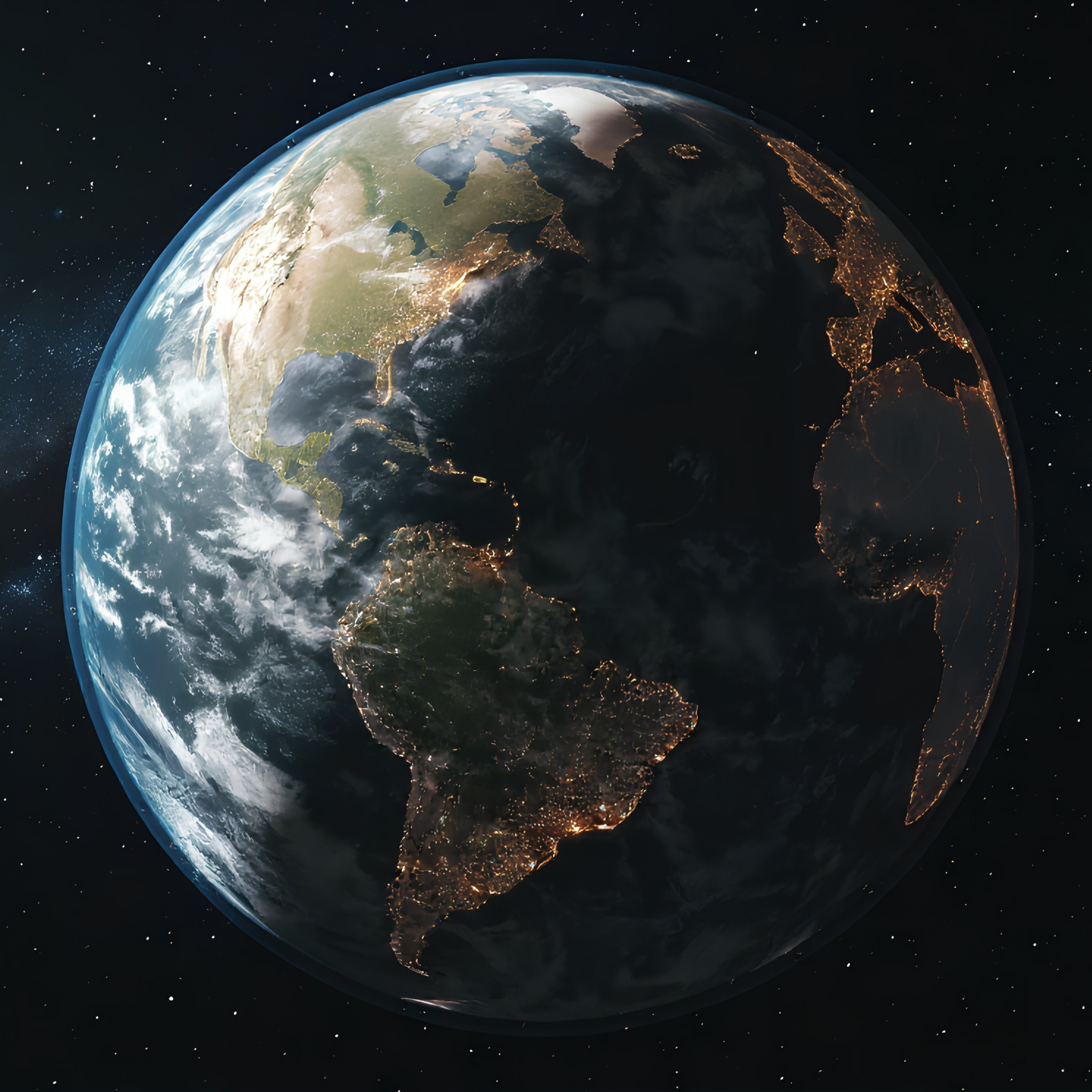

The Earth, our home planet, is a remarkable and complex system that sustains life in ways no other known celestial body does. Central to Earth’s ability to nurture life is its atmosphere—a delicate layer of gases that surrounds the planet and creates conditions necessary for survival. Understanding Earth and its atmosphere is crucial not only for appreciating the marvels of our environment but also for recognizing the urgent challenges we face due to human impact. This intricate relationship between the planet and its protective gaseous envelope influences climate, weather, ecosystems, and ultimately, life itself.
Earth is the third planet from the Sun and the fifth largest in the solar system. It has a unique composition that supports a diverse range of life forms. One of the defining features of Earth is its liquid water, which covers approximately 71% of its surface in oceans, lakes, and rivers. This abundance of water, combined with the atmosphere, creates a stable climate system that regulates temperature and weather patterns. The solid part of Earth, known as the lithosphere, consists of tectonic plates whose movements shape the planet’s surface through earthquakes, volcanoes, and mountain formation. Beneath the lithosphere lies the mantle and core, which generate Earth’s magnetic field—a vital shield that protects the planet from harmful solar radiation.
The atmosphere, although invisible to the naked eye, is an essential layer that extends about 10,000 kilometers above Earth’s surface. It is composed primarily of nitrogen (about 78%) and oxygen (about 21%), with trace amounts of other gases such as argon, carbon dioxide, neon, and water vapor. This mix of gases performs several critical functions. Most importantly, it provides the oxygen necessary for most living organisms to breathe and protects life from the Sun’s damaging ultraviolet rays through the ozone layer. The atmosphere also traps heat through the greenhouse effect, maintaining the Earth’s surface temperature within a range that supports liquid water and life.
The atmosphere is divided into several layers based on temperature and composition. The lowest layer, the troposphere, extends roughly 8 to 15 kilometers above the surface and contains about 75% of the atmosphere’s mass. This is where most weather phenomena occur—cloud formation, rain, snow, storms, and wind patterns. Above the troposphere lies the stratosphere, home to the ozone layer that absorbs ultraviolet radiation. Higher still are the mesosphere, thermosphere, and exosphere, which gradually transition into outer space. Each layer plays a role in protecting Earth and regulating environmental conditions.
Weather and climate, two closely related atmospheric phenomena, are vital for life on Earth. Weather refers to short-term atmospheric conditions such as temperature, humidity, precipitation, and wind. It can change hourly or daily and influences daily activities and ecosystems. Climate, on the other hand, represents long-term patterns of weather averaged over decades or centuries. The Earth’s climate system is driven by the energy received from the Sun, the planet’s rotation, and its atmospheric composition. Oceans, landforms, and vegetation all interact with the atmosphere to create complex weather patterns and climate zones ranging from tropical rainforests to polar tundras.
One of the most pressing issues related to Earth’s atmosphere today is climate change. Human activities, particularly the burning of fossil fuels and deforestation, have significantly increased concentrations of greenhouse gases such as carbon dioxide and methane. These gases enhance the natural greenhouse effect, causing global temperatures to rise—a phenomenon known as global warming. Rising temperatures disrupt weather patterns, increase the frequency of extreme events like hurricanes and droughts, and threaten ecosystems and human communities worldwide. Melting polar ice caps and glaciers contribute to sea-level rise, endangering coastal regions and small island nations.
The consequences of atmospheric changes extend beyond temperature. Increased levels of carbon dioxide lead to ocean acidification, harming marine life and coral reefs. Changes in precipitation patterns affect freshwater availability and agriculture, potentially leading to food insecurity. Air pollution, caused by industrial emissions, vehicle exhaust, and burning of biomass, degrades air quality and poses serious health risks, contributing to respiratory diseases and premature deaths globally. Addressing these challenges requires concerted efforts to reduce emissions, transition to renewable energy sources, and implement sustainable land-use practices.
Scientific understanding of Earth’s atmosphere has advanced greatly due to satellite technology, weather stations, and climate models. Satellites orbiting Earth provide continuous data on atmospheric composition, temperature, cloud cover, and pollutant levels. Weather forecasting has improved in accuracy and lead time, helping societies prepare for storms and other natural disasters. Climate models, which simulate Earth’s climate system, allow scientists to predict future changes under different scenarios, informing policy decisions and mitigation strategies.
Besides its environmental importance, Earth’s atmosphere also plays a crucial role in human culture and daily life. It influences the air we breathe, the food we grow, and the water we drink. The sky’s changing colors at sunrise and sunset inspire art, literature, and philosophy, reminding us of our connection to the natural world. The atmosphere’s ability to support flight has enabled the development of aviation, shrinking distances and connecting people worldwide. Yet, this very progress brings challenges in the form of increased greenhouse gas emissions and environmental footprints.
Protecting Earth’s atmosphere is a global responsibility that calls for international cooperation. Agreements such as the Paris Agreement aim to limit global temperature rise by setting emission reduction targets. Nations, businesses, and individuals all have roles to play in adopting cleaner technologies, conserving energy, and supporting policies that promote environmental sustainability. Public awareness and education are equally important in fostering a sense of stewardship and motivating collective action.
In conclusion, Earth’s atmosphere is a fragile but vital component of the planet’s life-support system. It creates the conditions necessary for weather, climate, and life, while simultaneously protecting us from harmful radiation and maintaining temperature balance. As humanity faces environmental challenges like climate change and pollution, understanding and preserving this protective layer is more critical than ever. By embracing science, innovation, and cooperation, we can ensure that Earth remains a thriving home for generations to come, continuing to support the rich tapestry of life that makes our planet unique in the cosmos.
Leave a Reply