
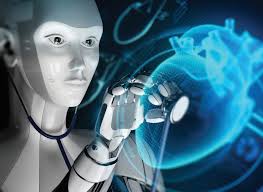

Artificial Intelligence (AI) is rapidly changing the landscape of education and innovation, ushering in a new era where learning becomes personalized, interactive, and deeply connected to real-world applications. Traditional educational models that rely on uniform instruction and static curricula are evolving into dynamic systems powered by AI technologies that adapt to individual student needs, learning speeds, and styles. This shift enables educators to deliver tailored experiences that enhance engagement and comprehension, making even complex subjects accessible and exciting. AI-powered tools such as intelligent tutoring systems, virtual laboratories, and immersive simulations provide learners with hands-on experiences that deepen understanding and encourage experimentation beyond physical classroom constraints. These technologies break down barriers related to geography, socioeconomic status, and learning abilities, creating opportunities for more inclusive and equitable education worldwide. Furthermore, AI analytics help educators identify gaps in knowledge early and offer targeted interventions, promoting continuous growth and confidence among students. As a result, the integration of AI into education fosters essential 21st-century skills like critical thinking, problem-solving, and creativity, preparing learners not only for future careers but also to become innovators capable of addressing complex global challenges.
Beyond education, AI is revolutionizing innovation across diverse fields by accelerating research and development and enabling unprecedented interdisciplinary collaboration. Complex data sets that once took years to analyze can now be processed within hours, revealing insights that drive breakthroughs in medicine, environmental science, engineering, and the arts. For instance, machine learning algorithms enable scientists to model climate change scenarios with greater accuracy, guiding policymakers toward effective interventions. In healthcare, AI expedites drug discovery by predicting molecular behavior, shortening the path from research to treatment. Engineering benefits from AI’s ability to optimize designs and automate manufacturing processes, improving efficiency and reducing waste. Meanwhile, AI’s influence on creative fields is reshaping art, music, and design, introducing new forms of expression and challenging conventional definitions of creativity. This fusion of AI with traditional disciplines highlights the importance of integrating diverse knowledge domains, encouraging innovators to think beyond silos and develop holistic solutions. Educational institutions and research centers are increasingly emphasizing AI literacy, not only to equip future professionals with technical skills but also to cultivate an understanding of ethical considerations and societal impacts. By doing so, AI becomes a catalyst for responsible innovation that benefits humanity while respecting core values and rights.
Despite its transformative potential, the rise of AI in education and innovation raises significant ethical, social, and practical challenges that require careful attention and collaborative governance. One major concern is the digital divide: unequal access to AI-powered technologies risks deepening educational disparities and marginalizing vulnerable populations. To counter this, investments in infrastructure, teacher training, and culturally relevant content are essential to ensure equitable benefits across diverse communities. Privacy issues also loom large as AI systems collect and analyze vast amounts of personal data; robust protections and transparent policies are necessary to safeguard users and build trust. Moreover, AI algorithms can perpetuate biases present in training data, unintentionally reinforcing social inequalities unless developers prioritize fairness and accountability. The question of AI’s role vis-à-vis human educators remains central—while AI can automate administrative tasks and provide personalized support, human empathy, mentorship, and ethical judgment are irreplaceable in fostering holistic development. Navigating these challenges demands interdisciplinary dialogue involving technologists, educators, ethicists, policymakers, and learners themselves. Only through such inclusive conversations can society harness AI’s benefits responsibly, creating educational and innovative ecosystems that are adaptive, just, and human-centered. As AI continues to reshape the future, a balanced approach that embraces both opportunity and caution will be key to unlocking its full promise for global progress.
Leave a Reply