
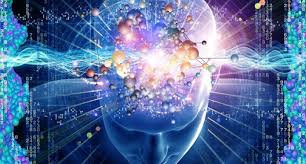

The human brain remains one of the most complex and least understood organs in the natural world, housing the neural networks responsible for thought, memory, emotion, and consciousness itself. Recent advances in neurotechnology—an interdisciplinary field combining neuroscience, engineering, computer science, and materials science—are revolutionizing our ability to map, understand, and interact with the brain’s intricate circuitry. By developing cutting-edge tools such as brain-computer interfaces (BCIs), advanced imaging techniques, and neuromodulation devices, scientists are pushing the boundaries of cognitive science and medical treatment. These technologies offer new hope for treating neurological disorders like Parkinson’s disease, epilepsy, and depression, while also raising profound ethical questions about privacy, identity, and the nature of free will. The convergence of big data, machine learning, and miniaturized hardware is making it possible not only to decode brain signals with unprecedented precision but also to restore lost functions and enhance cognitive abilities, marking a new era in brain science.
One of the most exciting areas of neurotechnology is brain-computer interfaces, which establish a direct communication pathway between the brain and external devices. BCIs can translate neural activity into commands that control prosthetic limbs, computers, or even wheelchairs, offering transformative benefits for people with paralysis or amputations. Recent breakthroughs have enabled paralyzed patients to type messages, control robotic arms, or even pilot drones using only their thoughts. Simultaneously, advances in non-invasive neuroimaging methods—like functional MRI, magnetoencephalography (MEG), and near-infrared spectroscopy (NIRS)—allow researchers to monitor brain activity in real time without surgery. These imaging techniques have shed light on brain plasticity, the brain’s remarkable ability to rewire itself after injury or in response to learning, inspiring new rehabilitation approaches. Moreover, neuromodulation technologies such as deep brain stimulation (DBS) and transcranial magnetic stimulation (TMS) enable targeted electrical or magnetic stimulation of specific brain areas to alleviate symptoms of Parkinson’s, depression, and chronic pain. As neurotechnology progresses, the integration of real-time neural feedback with AI-driven algorithms promises personalized therapies and cognitive enhancement tools tailored to individual brain patterns.
While the therapeutic and scientific potential of neurotechnology is immense, it also brings forth significant ethical and societal considerations. The ability to read and influence brain activity raises concerns about mental privacy and autonomy, as unauthorized access to neural data could potentially expose intimate thoughts or manipulate behavior. The prospect of cognitive enhancement challenges traditional notions of fairness and identity, sparking debate over who should have access to such technologies and how to regulate their use. Furthermore, the development of neurotechnology relies heavily on interdisciplinary collaboration and requires transparent communication with the public to build trust and address fears about “mind control” or unintended consequences. Policies must balance innovation with protections, ensuring that advancements benefit humanity broadly without exacerbating inequalities or infringing on individual rights. Education and public discourse are vital for navigating these complexities, empowering people to make informed decisions about their engagement with neurotechnological tools. As the field matures, it holds the promise not only of revolutionizing medicine but also of deepening our understanding of consciousness, cognition, and the human experience itself.
Leave a Reply